pressure washer nozzle size guide

Pressure Washer Nozzle Size Guide: A Comprehensive Overview

Navigating the world of pressure washing requires understanding nozzle sizes; they dictate spray width‚ impact‚ and overall cleaning effectiveness for various tasks.

Pressure washer nozzles are essential components that control the flow and spray pattern of water‚ directly impacting the cleaning power and reach of your machine. They aren’t simply interchangeable parts; each nozzle is engineered to deliver a specific degree of spray‚ ranging from pinpoint jets to wide‚ gentle fans.

Understanding these differences is crucial for achieving optimal cleaning results without causing damage to the surface you’re working on. The nozzle determines the concentration of the water pressure – a narrower spray focuses the power for tough grime‚ while a wider spray disperses it for more delicate cleaning.

Choosing the correct nozzle isn’t just about power; it’s about efficiency and protecting your investment. Using the wrong nozzle can lead to ineffective cleaning‚ wasted time‚ and potential harm to your pressure washer or the surfaces you intend to clean. This guide will demystify the world of pressure washer nozzles‚ helping you select the perfect one for every job.

Why Nozzle Size Matters

Nozzle size profoundly impacts a pressure washer’s performance‚ extending beyond simply “more power is better.” A smaller nozzle orifice concentrates the water pressure into a tighter stream‚ increasing PSI at the point of impact – ideal for blasting away stubborn dirt and grime from durable surfaces like concrete.

Conversely‚ larger nozzles create a wider spray pattern‚ reducing the pressure per square inch. This is vital for delicate surfaces like painted wood or car finishes‚ preventing damage from excessive force. Incorrect nozzle selection can lead to etching‚ stripping paint‚ or even causing structural harm.

Furthermore‚ nozzle size affects water consumption and cleaning efficiency. A narrow stream uses less water but requires more passes‚ while a wider spray covers more area quickly but uses more water. Understanding this balance allows you to optimize cleaning time‚ conserve water‚ and achieve the best possible results for each unique cleaning task.

Understanding Nozzle Degrees & Spray Patterns

Spray patterns‚ measured in degrees‚ define the water’s dispersion; lower degrees mean focused power‚ while higher degrees offer wider‚ gentler coverage for diverse cleaning.

0-Degree Nozzles: The Focused Blast

Zero-degree nozzles deliver an incredibly concentrated‚ pencil-thin stream of water with maximum pressure. This intense force makes them ideal for tackling extremely stubborn‚ stuck-on debris like hardened grime‚ rust‚ or old paint. However‚ their power demands extreme caution!

Due to the highly focused pressure‚ 0-degree nozzles can easily damage softer surfaces – wood‚ vinyl siding‚ or even concrete can be etched or pitted if used improperly. They are best reserved for durable‚ non-sensitive materials and require a skilled operator maintaining a safe distance.

Common applications include stripping paint‚ removing graffiti‚ cleaning heavily soiled industrial equipment‚ and unclogging drains. Always test in an inconspicuous area first and use sweeping motions to avoid concentrated damage. Protective gear‚ including eye protection‚ is absolutely essential when operating a pressure washer with a 0-degree nozzle.

15-Degree Nozzles: Heavy-Duty Cleaning

Fifteen-degree nozzles strike a balance between power and coverage‚ offering a more dispersed spray pattern than a 0-degree nozzle‚ yet still delivering significant cleaning force. This makes them a versatile choice for a wide range of heavy-duty cleaning tasks around the home and property.

They excel at removing deeply embedded dirt‚ mildew‚ and grime from surfaces like concrete driveways‚ brick walls‚ and patio furniture. While still potent‚ the wider spray reduces the risk of damage compared to the pinpoint stream of a 0-degree nozzle‚ allowing for more confident use on slightly less durable materials.

Ideal applications include preparing surfaces for staining or painting‚ cleaning stubborn stains from siding‚ and revitalizing weathered outdoor structures. Remember to maintain a safe distance and test on an inconspicuous area first. Proper technique and protective eyewear are still crucial for safe and effective operation.

25-Degree Nozzles: Versatile All-Purpose Cleaning

The 25-degree nozzle is often considered the “go-to” for everyday pressure washing tasks‚ offering a fantastic blend of cleaning power and surface protection. Its wider spray pattern covers a larger area quickly‚ making it incredibly efficient for general cleaning projects around the house.

This nozzle is perfect for washing cars‚ trucks‚ and other vehicles‚ cleaning vinyl siding‚ and removing dirt and grime from fences and decks. It’s powerful enough to tackle moderate stains but gentle enough to minimize the risk of damage to softer surfaces.

Because of its versatility‚ a 25-degree nozzle is a great starting point for beginners. It allows you to get comfortable with your pressure washer without the immediate risk of causing harm. Always remember to adjust your distance from the surface to control the cleaning intensity and achieve optimal results.

40-Degree Nozzles: Gentle Surface Cleaning

For delicate surfaces requiring a softer touch‚ the 40-degree nozzle is an excellent choice. This nozzle produces a wider spray pattern with reduced pressure‚ making it ideal for cleaning surfaces prone to damage‚ like painted wood‚ fragile siding‚ or even intricate landscaping features.

It’s particularly useful for rinsing away loose dirt and debris without stripping paint or etching softer materials. Think of cleaning outdoor furniture‚ prepping surfaces for staining‚ or gently washing windows. The wider fan minimizes the risk of concentrated impact‚ preventing unsightly marks or damage.

While it won’t deliver the same aggressive cleaning power as narrower nozzles‚ the 40-degree nozzle excels at providing a safe and effective clean for sensitive areas. Remember to maintain a closer working distance for increased cleaning action‚ but always test in an inconspicuous area first!

65-Degree Nozzles: Wide Fan for Delicate Surfaces

The 65-degree nozzle represents the gentlest option in the standard pressure washer nozzle lineup. Characterized by its exceptionally wide spray fan and low pressure‚ it’s specifically designed for the most delicate cleaning tasks where minimizing impact is paramount. This makes it perfect for washing cars‚ boats‚ or applying soap evenly across large areas.

It’s also ideal for rinsing surfaces after detergent application‚ as the broad spray effectively removes residue without causing harm. Think of cleaning awnings‚ screens‚ or even delicate flowerbeds. The reduced pressure significantly lowers the risk of damage‚ making it a safe choice for vulnerable materials.

While it requires closer proximity and potentially multiple passes for stubborn dirt‚ the 65-degree nozzle prioritizes safety and prevents etching or stripping. Always test on a hidden area first to ensure compatibility with the surface you’re cleaning.

Nozzle Color Coding – A Standard Guide

Manufacturers commonly employ a color-coded system for quick nozzle identification‚ simplifying selection and ensuring users choose the appropriate spray pattern for their cleaning needs.

Red Nozzle – 0 Degree

The red nozzle‚ representing a 0-degree spray pattern‚ delivers an incredibly concentrated and powerful stream of water. This focused blast is the most aggressive option available‚ making it ideal for extremely stubborn‚ stuck-on debris. However‚ its intensity demands extreme caution.

Due to the high pressure‚ a 0-degree nozzle can easily damage softer surfaces like wood‚ vinyl siding‚ or even concrete if used improperly. It’s best reserved for tasks such as removing graffiti‚ stripping paint‚ or cleaning heavily soiled industrial equipment.

Always maintain a significant distance from the surface being cleaned and use sweeping motions to avoid etching or causing permanent damage. Never point a 0-degree nozzle directly at people‚ animals‚ or fragile objects. Proper safety gear‚ including eye protection‚ is absolutely essential when operating with this nozzle.

Yellow Nozzle – 15 Degree

The yellow nozzle‚ producing a 15-degree spray pattern‚ strikes a balance between power and coverage. It’s a heavy-duty cleaning option‚ significantly more aggressive than wider-angle nozzles‚ yet less likely to cause damage than the 0-degree red nozzle. This makes it a versatile choice for a wide range of outdoor cleaning tasks.

Ideal applications include removing deeply embedded dirt from concrete driveways‚ cleaning brick surfaces‚ and tackling stubborn grime on patio furniture. It’s effective for restoring faded surfaces and preparing them for painting or staining.

While powerful‚ the 15-degree nozzle still requires careful use. Test on an inconspicuous area first to ensure it doesn’t damage the surface. Maintain a safe distance and use sweeping motions. Safety glasses are crucial‚ and appropriate clothing is recommended to protect against potential splatter.

Green Nozzle – 25 Degree

The green nozzle‚ delivering a 25-degree spray pattern‚ is often considered the quintessential all-purpose nozzle for pressure washing. It provides a fantastic balance between cleaning power and surface protection‚ making it suitable for a vast array of tasks around the home and garden.

This nozzle excels at cleaning siding‚ fences‚ decks‚ and patio furniture. It’s effective at removing dirt‚ mildew‚ and algae without causing significant damage to the underlying material. It’s also a good choice for washing cars and trucks‚ though maintaining a safe distance is still essential.

Because of its versatility‚ the 25-degree nozzle is a great starting point for beginners. It’s less likely to cause damage than narrower-angle nozzles‚ yet still provides enough power to tackle most common cleaning challenges. Remember to always test in an inconspicuous area first!

White Nozzle – 40 Degree

The white nozzle‚ producing a 40-degree spray pattern‚ is your go-to for gentle yet effective cleaning. It delivers a wider spray coverage with reduced pressure‚ making it ideal for delicate surfaces that could be easily damaged by more aggressive nozzles.

This nozzle is perfect for cleaning painted surfaces‚ windows‚ and even car washes where a softer touch is needed. It’s also excellent for rinsing away soap and detergents after cleaning‚ ensuring a streak-free finish. Think of it as the “safe” option when you’re unsure about a surface’s durability.

While it won’t tackle deeply ingrained grime as quickly as a narrower nozzle‚ the 40-degree nozzle minimizes the risk of etching‚ stripping paint‚ or causing other forms of damage. It’s a fantastic choice for maintaining the appearance of your property without harsh consequences.

Black Nozzle – 65 Degree

The black nozzle‚ boasting a 65-degree spray pattern‚ represents the widest and gentlest cleaning option available. It delivers a low-pressure‚ high-volume spray‚ making it exceptionally suitable for tasks requiring minimal impact and maximum coverage.

This nozzle excels at rinsing large areas‚ applying cleaning solutions over broad surfaces‚ and delicately washing cars or boats. It’s also ideal for cleaning fragile items like outdoor furniture with delicate finishes or applying a protective coating evenly. The wide fan minimizes the risk of damage‚ even on sensitive materials.

However‚ be aware that the 65-degree nozzle’s low pressure means it won’t effectively remove stubborn dirt or grime. It’s best used for light cleaning‚ rinsing‚ or applying detergents‚ rather than heavy-duty stain removal. It’s a fantastic choice when preservation is paramount.

Specialty Nozzles & Their Applications

Beyond standard angles‚ specialized nozzles enhance pressure washing; each uniquely designed for specific cleaning challenges and maximizing efficiency on diverse surfaces.

Soap Nozzle: For Detergent Application

The soap nozzle‚ often white in color‚ is specifically engineered for applying detergents‚ soaps‚ or cleaning solutions with your pressure washer. Unlike other nozzles focused on high-impact cleaning‚ the soap nozzle creates a low-pressure‚ high-volume spray. This gentle yet effective spray action is crucial for properly mixing and distributing cleaning agents without causing damage to the surface being cleaned.

It’s important to note that the soap nozzle doesn’t rely on the pressure of the water to clean; instead‚ it allows the detergent to dwell and break down dirt‚ grime‚ and stains. Most pressure washers have a dedicated soap inlet‚ and switching to the soap nozzle automatically activates this feature. Always use detergents specifically formulated for pressure washers to avoid damaging the pump or causing excessive foaming. Experiment with dilution ratios to find the optimal cleaning power for your specific task.

Turbo Nozzle (Rotating Nozzle): Increased Cleaning Power

Also known as a rotating nozzle‚ the turbo nozzle delivers a powerful‚ concentrated cleaning action. Inside‚ a rotating stream of water creates a swirling effect‚ mimicking the force of multiple nozzles in one. This intense impact makes it exceptionally effective at removing stubborn dirt‚ grime‚ paint‚ and other tough deposits from hard surfaces.

However‚ due to its aggressive cleaning power‚ the turbo nozzle requires careful use. It’s not suitable for delicate surfaces like soft wood‚ vinyl siding‚ or painted areas‚ as it can easily cause damage. Maintain a safe distance – typically 8-12 inches – and test in an inconspicuous area first. The rotating action can also create a visually appealing‚ striped cleaning pattern. Be mindful of the potential for etching or streaking on softer materials‚ and always wear appropriate safety gear when operating a turbo nozzle.

Surface Cleaner Nozzle: For Large Flat Surfaces

Designed specifically for cleaning expansive‚ flat areas like driveways‚ patios‚ and sidewalks‚ the surface cleaner nozzle significantly reduces cleaning time and effort. It features a rotating spray bar enclosed within a protective housing‚ preventing water spray from splashing onto surrounding objects and the user.

Unlike a standard nozzle‚ which focuses on a small area‚ the surface cleaner covers a wider path with each pass‚ delivering consistent cleaning power across the entire surface. This minimizes the appearance of streaking and ensures a more uniform finish. Surface cleaners are typically connected to the pressure washer wand and glide smoothly across the surface. They are compatible with both electric and gas-powered pressure washers. Always select a surface cleaner size appropriate for the area you’re cleaning and follow the manufacturer’s instructions for optimal performance and safety.

Variable Nozzle: Adjustable Spray Patterns

Offering ultimate versatility‚ the variable nozzle allows users to adjust the spray pattern with a simple twist of the nozzle’s collar. This eliminates the need to constantly switch between different nozzles for varying cleaning tasks‚ making it a convenient option for tackling multiple surfaces and levels of grime.

Typically‚ these nozzles range from a narrow‚ focused jet – similar to a 0-degree nozzle – to a wider‚ fan-shaped spray – comparable to a 40-degree or 65-degree nozzle. This adjustability makes them suitable for everything from concentrated stain removal to rinsing large areas. However‚ it’s crucial to remember that variable nozzles often don’t deliver the same concentrated power as dedicated fixed-degree nozzles. Always test the selected spray pattern on an inconspicuous area first to ensure it’s appropriate for the surface being cleaned and avoid potential damage.

Choosing the Right Nozzle for Different Surfaces

Selecting the appropriate nozzle prevents damage and maximizes cleaning efficiency; surface material dictates the ideal spray angle and pressure for optimal results.

Wood Surfaces: Avoiding Damage

Wood is particularly susceptible to damage from high-pressure water‚ so caution is paramount. Always begin with a wider spray angle nozzle – a 40-degree or even 65-degree nozzle is recommended for initial cleaning. This minimizes the risk of etching or splintering the wood fibers.

Maintain a safe distance – at least 18 inches – between the nozzle and the wood surface. Test a small‚ inconspicuous area first to assess the pressure’s effect. Avoid using 0-degree or 15-degree nozzles on wood unless you are an experienced user tackling extremely stubborn stains‚ and even then‚ proceed with extreme care.

Consider using a wood-specific cleaning solution designed for pressure washers. These solutions often contain brighteners to restore the wood’s natural color. Always follow the manufacturer’s instructions for dilution and application. After cleaning‚ allow the wood to dry thoroughly before applying any sealant or stain.

Concrete & Brick: Tackling Tough Stains

Concrete and brick are durable surfaces‚ but they can accumulate stubborn stains like oil‚ mildew‚ and rust. For general cleaning‚ a 25-degree nozzle is a good starting point‚ offering a balance between cleaning power and surface protection; For heavily soiled areas or ingrained stains‚ a 15-degree nozzle can be employed‚ but test first!

Maintain a closer working distance – around 8-12 inches – when using a 15-degree nozzle‚ and always move the wand in a consistent sweeping motion to avoid etching. For particularly tough stains‚ consider pre-treating with a concrete or brick cleaner before pressure washing.

A 0-degree nozzle should be reserved for extremely localized‚ difficult stains and used with extreme caution‚ as it can easily damage the surface. Post-cleaning‚ consider applying a concrete sealer to protect against future staining and weathering.

Vinyl Siding: Gentle Cleaning Techniques

Vinyl siding requires a delicate approach to avoid damage. A 40-degree nozzle is generally recommended for cleaning vinyl‚ providing a wider spray pattern and reduced pressure. Maintain a distance of at least 2-3 feet from the siding to prevent water from forcing its way behind the panels.

Always spray downwards‚ following the direction of the siding overlaps. This prevents water from being driven upwards and potentially causing moisture issues. Avoid using a 0-degree or 15-degree nozzle‚ as these can easily puncture or warp the vinyl.

Pre-treating with a vinyl siding cleaner can help loosen dirt and mildew‚ reducing the need for excessive pressure. Rinse thoroughly after cleaning‚ and inspect for any signs of damage. A 65-degree nozzle can be used for very gentle rinsing or cleaning of particularly delicate areas.

Car & Vehicle Washing: Safe Pressure Levels

Washing vehicles with a pressure washer demands caution to avoid paint damage. A 40-degree or 65-degree nozzle is ideal‚ delivering a wider‚ less aggressive spray. Maintain a distance of at least 18-24 inches from the vehicle’s surface; closer proximity significantly increases the risk of stripping paint or damaging trim.

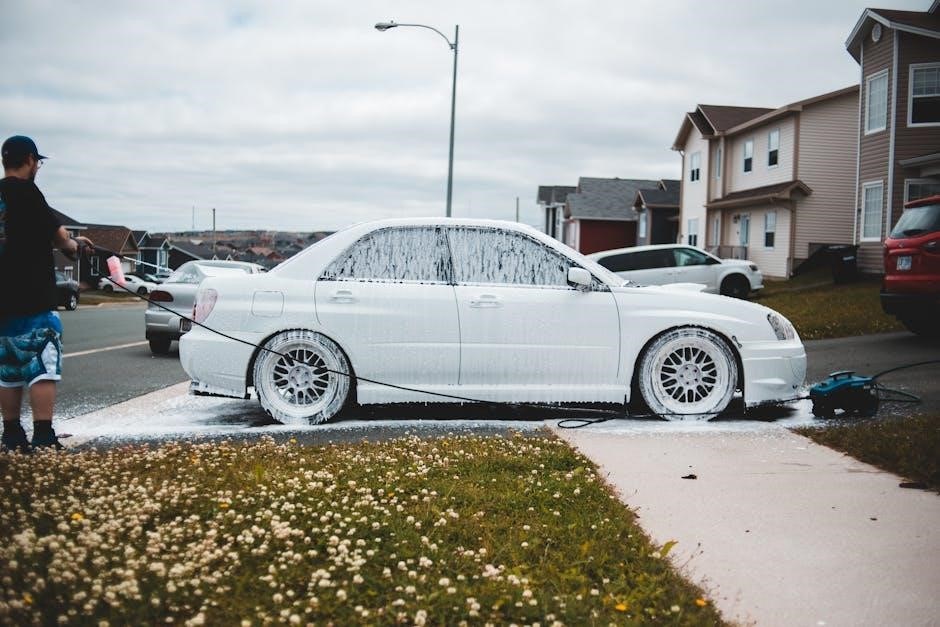
Begin with a low-pressure rinse to remove loose dirt and debris. Avoid directly spraying sensitive areas like windows‚ seals‚ and electrical components. Utilize a soap nozzle with a dedicated detergent formulated for vehicles to effectively lift grime.

Always rinse from top to bottom‚ ensuring all soap residue is removed. Never use a 0-degree or 15-degree nozzle on a vehicle‚ as the concentrated pressure will almost certainly cause damage. Consider using a foam cannon for a gentler‚ more even soap application.

Pressure Washer Nozzle Safety & Maintenance

Prioritize safety and longevity by consistently inspecting nozzles‚ wearing protective gear‚ and storing them properly to prevent damage and ensure optimal performance.

Safety Precautions When Using Nozzles

Always wear safety glasses or a face shield to protect your eyes from debris and potential backsplash. High-pressure water can cause serious eye injury. Similarly‚ closed-toe shoes are essential to safeguard your feet.

Never point the pressure washer nozzle at yourself or others. The force of the water can cause severe harm. Be mindful of your surroundings and ensure no people or pets are within the spray range.

Before starting‚ inspect the nozzle for any cracks or damage. A damaged nozzle can alter the spray pattern and potentially cause injury. Ensure the nozzle is securely attached to the wand.

Maintain a safe distance from the surface you are cleaning‚ starting with a wider nozzle and gradually decreasing the angle as needed. Avoid prolonged exposure to a single spot‚ as this can damage the surface.

Be aware of electrical hazards when using a pressure washer‚ especially near outlets or electrical equipment. Use a Ground Fault Circuit Interrupter (GFCI) outlet for added safety.

Cleaning and Storing Your Nozzles

Regular cleaning is crucial for maintaining nozzle performance. After each use‚ rinse the nozzles thoroughly with clean water to remove any lingering dirt‚ debris‚ or detergent residue. A small brush can help dislodge stubborn particles from the nozzle orifice.

For clogged nozzles‚ a nozzle cleaning kit with fine wires is highly recommended. Gently insert the wire into the nozzle opening to clear any obstructions – avoid using sharp objects that could damage the nozzle.

Before storing‚ ensure the nozzles are completely dry to prevent corrosion. A quick wipe-down with a clean cloth will help. Store nozzles in a dry‚ organized location‚ preferably in a dedicated container or toolbox.

Avoid storing nozzles in direct sunlight or extreme temperatures‚ as this can degrade the plastic or metal components. Proper storage extends the lifespan of your nozzles and ensures they are ready for your next cleaning project.

Replacing Worn or Damaged Nozzles

Over time‚ pressure washer nozzles can wear down or become damaged due to use and exposure to abrasive materials. Signs of wear include an inconsistent spray pattern‚ reduced pressure‚ or visible cracks in the nozzle body.

Replacing a worn or damaged nozzle is essential for maintaining optimal cleaning performance and preventing potential safety hazards. Always use nozzles specifically designed for your pressure washer model.

To replace a nozzle‚ first‚ disconnect the pressure washer from the power source and water supply. Then‚ carefully unscrew the old nozzle from the wand. Apply a small amount of Teflon tape to the threads of the new nozzle before screwing it securely into place.

Ensure the new nozzle is tightened properly‚ but avoid over-tightening‚ which could damage the wand or nozzle. Regularly inspect your nozzles for wear and tear‚ and replace them promptly when necessary for safe and effective cleaning.

Troubleshooting Common Nozzle Issues

Several issues can arise with pressure washer nozzles‚ impacting performance. A common problem is clogging‚ often caused by mineral deposits or debris. Try soaking the nozzle in vinegar or using a nozzle cleaning tool to clear the blockage.

Reduced pressure can indicate a partially clogged nozzle or a worn-out orifice. Inspect for damage and clean thoroughly. If the issue persists‚ replacement is likely needed.

An uneven spray pattern suggests a damaged nozzle or internal obstruction. Examine the nozzle for cracks or deformities. Cleaning might help‚ but a replacement is often the best solution.

If the nozzle spins freely when it shouldn’t (on a fixed-spray nozzle)‚ the retaining clip may be damaged. Check and replace the clip if necessary. Always prioritize safety and disconnect the power before troubleshooting.

womens dress pants fit guide

Finding the perfect fit in women’s dress pants blends comfort and style, considering body shape and occasion.
The Plant Shopping Center offers diverse options,
catering to varied budgets and preferences for modern, functional wardrobes.

Understanding Body Shapes for Optimal Fit

Identifying your body shape is crucial for selecting dress pants that flatter your figure. Common shapes include hourglass, pear, apple, rectangle, and inverted triangle. Hourglass figures benefit from balanced styles like straight-leg or bootcut. Pear shapes often look best in wider-leg pants to balance hips.
Apple shapes can create definition with high-waisted options.
Rectangle shapes can add curves with details or wider cuts.
Understanding these proportions, alongside shopping at places like The Plant, ensures a comfortable and stylish fit.

The Importance of Rise in Dress Pants

The rise of dress pants – low, mid, or high-waisted – significantly impacts both fit and silhouette. High-rise pants elongate legs and define the waist, flattering many body types. Mid-rise offers a classic, versatile option. Low-rise can be stylish but requires careful consideration of proportions.
Considering comfort, like a fuel truck driver needing practical workwear, is key.
Shopping at locations like The Plant allows trying various rises to find what best suits your body and desired aesthetic.

Key Fit Areas to Consider

Achieving a flawless fit requires attention to waist, hip, thigh, knee, and hem. Proper evaluation ensures comfort and a polished look, mirroring quality shopping experiences.

Waist Fit: Finding Your Natural Waistline

Determining your natural waistline is crucial for dress pant fit. It’s typically the narrowest part of your torso, often found an inch or two above your belly button.

Gapping at the waistband is a common issue, potentially solved with alterations or a different rise.
Consider the rise – high-waisted pants define the waist, while mid-rise options sit lower.

Shopping at locations like The Plant in San Jose offers diverse styles to experiment with.
Ensure the waistband lies flat without digging in, allowing comfortable movement. A snug, but not tight, fit is ideal for both comfort and a flattering silhouette.

Hip Fit: Ensuring Comfort and Shape

A proper hip fit is essential for both comfort and a flattering silhouette in dress pants. The pants should skim over your hips without pulling or feeling restrictive. Avoid styles that are too tight, as they can create an unflattering appearance and limit movement.

Consider the cut – wider leg styles often offer more room in the hip area. Shopping at diverse locations like The Plant provides options to find the right shape. Ensure the yoke (the V-shaped seam at the back) lies flat and doesn’t wrinkle, indicating a good fit.

Thigh Fit: Avoiding Tightness and Restriction

The thigh fit is crucial for comfortable movement in dress pants. Avoid pants that bind or restrict your range of motion when walking or sitting. A good fit allows for ease of movement without appearing baggy.

Look for pants with enough room through the thigh, especially if you have fuller thighs. Exploring stores like those at The Plant Shopping Center offers varied cuts. Check for pulling across the thigh when you sit – this indicates the pants are too small. Prioritize comfort alongside style.

Knee Fit: Preventing Bunching and Wrinkling

A smooth knee fit is essential for a polished look in dress pants. Bunching or wrinkling at the knee can detract from the overall silhouette and indicate a poor fit. The ideal fit allows the fabric to hang cleanly, following the natural contour of your leg.

When trying on pants, bend your knees and check for excessive fabric pooling. Stores within The Plant Shopping Center offer diverse styles; ensure a streamlined appearance. Avoid overly tight fits that restrict movement or cause unsightly creases.

Ankle/Hem Fit: Length Options and Styling

The ankle and hem fit dramatically impacts a dress pant’s overall aesthetic. Options range from full-length, designed to cover most of the shoe, to cropped styles hitting at the ankle. Consider your shoe choices when determining the ideal length – heels necessitate a longer hem.

Shopping at locations like The Plant provides varied choices. A slight break—a gentle crease where the pant meets the shoe—is classic. Modern styles often favor a no-break or ankle-grazing hem for a streamlined, contemporary look.

Different Dress Pant Styles & Their Fits

Various dress pant styles offer unique silhouettes, from classic straight legs to modern wide-leg options. The Plant’s retailers showcase diverse fits,
catering to individual preferences and body types.

Straight Leg Pants: A Classic and Versatile Fit

Straight leg pants offer a timeless silhouette, maintaining a consistent width from hip to ankle. This style flatters most body types, providing a balanced and polished look.
They are incredibly versatile, easily transitioning from business casual settings to more relaxed everyday wear.

Shopping at locations like The Plant allows exploration of various fabrics and rises within this classic cut.
Consider a mid-rise for comfort or a high-rise to elongate the legs.
Proper fit ensures a clean line, avoiding both tightness and excessive looseness, enhancing overall style and confidence.

Bootcut Pants: Balancing Proportions

Bootcut pants feature a slight flare from the knee down, creating a balanced silhouette, particularly for those with wider hips or thighs. This subtle flare visually balances broader lower bodies, offering a flattering and proportional appearance.

When shopping at centers like The Plant, consider pairing bootcut pants with heels or pointed-toe shoes to elongate the leg line.
A properly fitted waistband is crucial for comfort and a streamlined look.
Avoid overly dramatic flares, opting for a subtle bootcut that complements, rather than overwhelms, your figure.

Wide Leg Pants: Modern and Comfortable

Wide leg pants offer a relaxed and contemporary aesthetic, prioritizing comfort without sacrificing style. These pants typically have a high waist and flow loosely from the hip down, creating an elongated silhouette.

When browsing stores like those at The Plant Shopping Center, look for fabrics that drape well to enhance the flowy effect. Pairing wide-leg pants with a fitted top balances the volume and defines the waist. Consider heel height to avoid dragging and maintain a polished appearance.

Skinny Pants: A Sleek and Fitted Look

Skinny pants provide a streamlined, body-conscious silhouette, hugging the legs from waist to ankle. They’re a versatile choice, easily dressed up or down for various occasions.

When shopping at locations like The Plant, prioritize a comfortable stretch fabric to allow for movement. Balance the fitted style with a looser-fitting top to create a proportional look. Consider darker washes for a more polished appearance, suitable for business casual settings or evening wear.

Cropped Pants: Casual and Stylish

Cropped dress pants offer a relaxed yet polished aesthetic, ending at the calf or ankle. They’re ideal for warmer weather and create a modern, effortless vibe.

Exploring options at shopping centers like The Plant reveals diverse styles. Pair them with sneakers for a casual daytime look or heels to elevate the outfit. Pay attention to the break – a slight break or no break is generally preferred for a contemporary feel. Balance the cropped length with a well-fitted top.

Fabric & Its Impact on Fit

Fabric dramatically influences how dress pants drape and feel. Stretch fabrics offer comfort, while non-stretch provide structure. Consider weight for seasonal wearability.

Stretch Fabrics: Comfort and Flexibility

Stretch fabrics, incorporating materials like spandex or elastane, revolutionize dress pant comfort. They allow for greater movement, accommodating various body types and activities – crucial for demanding jobs like electrician apprentices seeking practical workwear.
These blends prevent restriction, unlike overly baggy or stiff alternatives.
However, be mindful that higher stretch percentages can sometimes lead to a less structured silhouette, potentially losing some of the classic drape associated with traditional dress pants.
Finding the right balance between stretch and structure is key for a flattering and functional fit.

Non-Stretch Fabrics: Structure and Drape

Non-stretch fabrics, like traditional wool blends or cotton, offer a more formal and structured appearance. They excel at maintaining a crisp, polished silhouette, providing excellent drape and a refined aesthetic. While offering less give than stretch options, precise tailoring is crucial for comfort.
Consider this when shopping at locations like The Plant, ensuring a proper fit.
These fabrics often require more careful attention to sizing, as they offer limited forgiveness for fluctuations in body shape or movement.

Weight of Fabric: Seasonal Considerations

The weight of the dress pant fabric significantly impacts comfort and suitability for different seasons. Lighter-weight fabrics, such as linen or lightweight wool, are ideal for warmer months, offering breathability and preventing overheating. Heavier-weight fabrics, like thicker wool blends, provide warmth and structure during colder seasons.
Shopping at centers like The Plant allows exploration of varied weights.
Choosing the appropriate weight ensures year-round comfort and style, adapting your wardrobe to the climate;

Decoding Pant Size Charts

Understanding size charts is crucial for online shopping, as brands vary. Inseam and waist measurements are key;
The Plant’s stores offer fitting assistance.

Understanding Inseam Measurements

Inseam is the distance from your crotch to the bottom of your ankle, determining pant length. Accurate measurement—with shoes you’ll wear—is vital.
Standard lengths range from 30 to 34 inches, but vary.
Consider the style: straight-leg pants need precise length, while wider legs offer more flexibility.
Shopping at places like The Plant allows trying different lengths.
Incorrect inseam leads to bunching or hems that are too short, impacting overall appearance and comfort. Don’t hesitate to consult store associates for help!

Waist Size vs. Dress Size

Waist size and dress size aren’t always consistent; brands vary significantly! Relying solely on dress size can lead to a poor fit.
Measure your natural waistline—the narrowest part of your torso—for accuracy.
Compare this measurement to the brand’s size chart, found online or in stores like those at The Plant;
Consider rise: high-waisted pants require a different waist measurement than low-rise.
Always prioritize waist measurement for a comfortable and flattering fit, ignoring the dress size label.

Comparing Brand Size Charts

Brand sizing varies dramatically, so a size 8 in one store might be a 10 or 6 elsewhere! Always consult each brand’s specific size chart before purchasing, whether shopping online or at centers like The Plant.
Pay close attention to both waist and inseam measurements.
Charts often include detailed body measurements for each size.
Don’t assume consistency; check every time. Reading online reviews can offer insights into a brand’s sizing tendencies, helping you choose the best fit.

Common Fit Issues & Solutions

Gapping waistbands, tight thighs, and incorrect hems are frequent problems. Alterations, like hemming or waist adjustments, offer solutions for a polished, comfortable fit.

Gapping at the Waistband

A common frustration is pants that gap at the waistband, even with a belt. This often occurs when the rise is too low or the waist isn’t properly fitted to your natural waistline. Consider pants with a higher rise to better accommodate your torso length.

Alternatively, a tailor can adjust the waistband for a snugger fit. Some styles feature adjustable waistbands or internal drawstrings for a customizable solution. Exploring different brands and their unique cuts can also resolve this issue, as sizing varies considerably. Remember, a properly fitted waist is crucial for both comfort and appearance.

Pants Too Tight in the Thighs

Experiencing tightness in the thighs restricts movement and can be incredibly uncomfortable. This often indicates the pants are too small or have a slim-fit design not suited to your body shape. Opt for styles with a more relaxed thigh area, like straight-leg or wide-leg pants.

Stretch fabrics can offer some relief, but avoid relying solely on them. A tailor can skillfully adjust the thigh area for a more comfortable fit. When shopping, prioritize ease of movement and avoid pants that bind or pull when you sit or walk.

Hem Too Long or Too Short

Incorrect hem length dramatically impacts the overall look and practicality of dress pants. Pants that are too long appear sloppy and risk dragging, while those too short can seem disproportionate. The ideal length typically allows a slight break – a gentle crease where the pant leg meets the shoe.

Consider your shoe height when determining the appropriate length. Hemming is a straightforward alteration, offering both standard and blind hem options for a polished finish. Shopping at places like The Plant can offer a variety of lengths!

Alterations for a Perfect Fit

Tailoring is key to achieving a flawless fit! Hemming, waist adjustments, and rise alterations refine the silhouette, ensuring comfort and a polished appearance.

Hemming Options: Standard vs. Blind Hem

Hemming dramatically alters a pant’s appearance and functionality. A standard hem is visible, creating a defined edge – often more affordable and quicker. Conversely, a blind hem, also known as an invisible hem, offers a cleaner, more sophisticated finish.

The blind hem meticulously folds and secures the fabric, nearly concealing the stitching. While pricier and requiring greater skill, it’s ideal for dress pants where a seamless look is desired. Consider the fabric weight and style; heavier materials benefit from a standard hem’s durability, while finer fabrics shine with a blind hem’s subtlety.

Taking in the Waist

A gapping waistband is a common fit issue, easily addressed by taking in the waist. This alteration involves carefully removing excess fabric from the side seams and back seam of the pants. A skilled tailor will preserve the original waistband shape and ensure a smooth, comfortable fit.

Consider the amount of adjustment needed; significant alterations may affect the pant’s overall drape. Before committing, discuss the possibilities with your tailor to maintain the garment’s integrity and achieve a flattering silhouette. Proper waist adjustment enhances both comfort and style.

Adjusting the Rise

Altering the rise – the distance from the crotch to the waistband – significantly impacts comfort and fit. A too-low rise can cause discomfort and a poor silhouette, while a too-high rise can feel restrictive. Adjusting the rise requires unpicking the existing seam and re-sewing it higher or lower.

This is a more complex alteration best left to a professional tailor. They’ll ensure the proportions remain balanced and the alteration doesn’t affect other areas of the pants. Careful consideration is key for a flattering and comfortable result.

Shopping Tips for Dress Pants

Prioritize trying pants on, reading reviews, and understanding your body’s proportions; The Plant offers diverse styles; consider comfort and occasion for a perfect purchase!

Try Before You Buy (When Possible)

Whenever feasible, physically trying on dress pants is paramount for achieving an optimal fit. Sizes can vary significantly between brands, and even within a single brand’s different styles. Don’t rely solely on your usual size; bodies also fluctuate.

Move around in the pants – sit, stand, and walk – to assess comfort and range of motion. Consider the intended use; workwear requires different flexibility than formal attire. Shopping centers like The Plant in San Jose offer numerous options for in-person trials, ensuring a confident purchase.

Read Online Reviews

Before purchasing dress pants online, thoroughly examine customer reviews. These provide invaluable insights into real-world fit experiences, often detailing whether the pants run true to size, large, or small. Pay attention to comments regarding fabric stretch, waistband gapping, and length accuracy.

Reviews can also highlight potential issues like inconsistent sizing across different colors or styles. Resources like those found discussing The Plant shopping center emphasize informed decisions; online reviews are a crucial part of that process.

Consider Your Body Proportions

Understanding your body shape is key to selecting flattering dress pants. If you have longer legs, you can often pull off lower rises and cropped lengths; Shorter torsos benefit from higher waists to elongate the legs.

Balance is crucial – wider leg styles pair well with broader shoulders, while slimmer cuts suit more petite frames. Like finding the right gear at a place like The Plant, thoughtful consideration ensures a harmonious fit.

Styling Dress Pants for Different Occasions

Dress pants offer versatility! Pair them with a blazer for business, a silk top for events, or a casual tee for everyday wear – like options at The Plant.

Business Casual Looks

Achieving a polished business casual aesthetic with dress pants is effortlessly chic. Combine tailored straight-leg or bootcut pants – readily available at stores like those found in The Plant Shopping Center – with a crisp button-down shirt or a refined knit top. A well-fitted blazer elevates the ensemble, while loafers or classic pumps complete the look. Consider neutral colors like navy, gray, or black for versatility. Accessorize with minimal jewelry and a structured handbag to maintain a professional yet approachable vibe. Remember comfort is key, even during long workdays!

Formal Event Outfits

Dress pants can be surprisingly sophisticated for formal events, offering a chic alternative to dresses. Opt for wide-leg or straight-leg pants in luxurious fabrics like silk or crepe, easily sourced from retailers near The Plant. Pair them with a glamorous sequined top, a flowing blouse, or a fitted bodysuit. High heels are essential, and a statement clutch adds elegance. A tailored blazer or a faux fur stole provides warmth and sophistication. Don’t be afraid to accessorize boldly with statement jewelry to complete your refined, event-ready ensemble.

Everyday Casual Styles

For relaxed, everyday looks, dress pants offer versatility and comfort. Consider cropped or straight-leg styles, easily found while shopping at locations like The Plant. Pair them with a simple t-shirt, a cozy sweater, or a button-down shirt. Sneakers, loafers, or ankle boots complete the casual vibe. A denim jacket or cardigan adds a layer of warmth and style. Accessorize with a crossbody bag and minimal jewelry for a practical yet polished everyday outfit, perfect for running errands or meeting friends.

Caring for Your Dress Pants to Maintain Fit

Proper care preserves the shape and fit of your dress pants. Following washing instructions and storing them correctly ensures longevity and a polished look.

Washing Instructions

Always check the care label before washing your dress pants! Many fabrics, especially those with a refined drape, benefit from dry cleaning to maintain their shape and prevent shrinkage.
If machine washing, use a cold water cycle and a gentle detergent. Turn pants inside out to protect the color and finish.
Avoid harsh chemicals or bleach, as these can damage the fibers.
For delicate fabrics like wool or silk, hand washing is often the safest option.
Air drying is preferable to machine drying, as heat can cause shrinking and wrinkling.

Ironing and Steaming

Proper ironing or steaming revives dress pants, removing wrinkles and restoring a polished look. Always check the care label for fabric-specific instructions. For most fabrics, a low to medium heat setting is recommended. Use a pressing cloth to protect delicate materials like silk or rayon.
Steaming is a gentler alternative, especially for fabrics prone to shine.
Hold the steamer a few inches away from the fabric and move it in a downward motion. Allow pants to cool completely before wearing to prevent new wrinkles from forming.

Proper Storage

Correct storage maintains dress pants’ shape and fit, preventing unnecessary wrinkles and wear. Hanging is ideal for woven fabrics, using clip hangers or carefully draped over a hanger to avoid creases. For knit pants, folding neatly is preferable. Store in a cool, dry place away from direct sunlight.
Avoid overcrowding your closet, allowing each garment space to breathe. Consider using garment bags for added protection, especially for delicate or infrequently worn pants.

Trends in Women’s Dress Pants Fit (2025)

In 2025, high-waisted and relaxed-fit dress pants dominate, alongside a growing demand for sustainable fabrics, offering both style and conscious choices.

High-Waisted Styles

High-waisted dress pants continue their reign in 2025, offering a flattering silhouette for various body types. This style emphasizes the waist, creating a longer leg line and a sophisticated look.
They pair exceptionally well with tucked-in blouses or cropped sweaters, enhancing the defined waist.

Consider the rise – a higher rise elongates the torso, while a moderate high-waist provides comfort and versatility.
The Plant Shopping Center provides a range of high-waisted options, from tailored fits for business settings to relaxed styles for everyday wear, ensuring a perfect fit for every occasion.

Relaxed Fit Options

Embrace comfort and style with the growing trend of relaxed-fit dress pants in 2025. These pants offer a looser silhouette through the hip and thigh, providing unrestricted movement and a modern aesthetic.
They’re ideal for those seeking a departure from overly fitted styles, offering a chic yet comfortable alternative.

Look for styles in flowing fabrics like Tencel or linen for enhanced drape. The Plant Shopping Center showcases relaxed fits suitable for both casual outings and business-casual environments, offering a versatile addition to any wardrobe. Consider pairing them with fitted tops to balance the silhouette.

Sustainable Fabric Choices

Eco-conscious consumers are driving demand for sustainable fabrics in dress pants for 2025. Options like organic cotton, recycled polyester, and innovative materials such as Tencel and hemp are gaining popularity. These fabrics minimize environmental impact while offering comfort and durability.

The Plant Shopping Center increasingly features brands prioritizing ethical sourcing and production. Choosing sustainable fabrics not only benefits the planet but also often results in higher-quality, longer-lasting garments. Look for certifications like GOTS or OEKO-TEX to ensure responsible manufacturing practices.

joanas guide

Joana’s Guide: A Comprehensive Overview

Joana’s meticulously crafted guide, born from a world record speedrun, offers an unparalleled leveling experience in Classic WoW․ It’s a detailed, step-by-step path to 60!

Joana stands as a legendary figure within the World of Warcraft community, renowned for achieving a groundbreaking world record speedrun to level 60 in Vanilla WoW back in 2006, completing the feat in just 4 days, 20 hours․ This incredible accomplishment wasn’t simply luck; it stemmed from a deeply analytical approach to the game and an intimate understanding of optimal leveling strategies․

Her expertise didn’t remain a personal triumph․ Joana meticulously documented her methods, culminating in the creation of the first-ever WoW leveling guide․ This guide, initially held “in her head,” became a cornerstone resource for players seeking efficient progression․ Her legacy continues today, with updated guides available, offering players the chance to experience Azeroth the way a record-holder does․

The Significance of Joana’s 1-60 Leveling Guide

Joana’s 1-60 leveling guide isn’t just another walkthrough; it represents a paradigm shift in how players approach the early game in Classic WoW․ Born from a world record speedrun, the guide distills years of experience into a precise, optimized path to max level․ It’s significant because it prioritizes speed, offering a streamlined experience that minimizes wasted time and maximizes efficiency․

The guide’s value extends to both Classic Era and Classic TBC, providing a relevant resource across different versions of the game․ It’s a full, step-by-step system applicable to all classes, offering hints and strategies beyond simple questing․ For those seeking a fast, informed leveling journey, Joana’s guide is invaluable․

Understanding the Guide’s Core Principles

Joana’s guide centers on relentless optimization for speed, meticulously planning quest paths and inventory management for the fastest possible route to level 60․

Optimization for Speed: The Key Philosophy

Joana’s leveling philosophy revolves around maximizing efficiency in every aspect of the game․ This isn’t simply about knowing where to quest, but how to quest – minimizing downtime, streamlining travel, and strategically managing inventory․

The guide emphasizes precise quest pathing, grouping quests for optimal turn-in locations, and understanding the value of each minute spent․ It’s about recognizing when to abandon less efficient quests and prioritizing those that offer the greatest experience per hour․

Joana’s record-breaking speedrun wasn’t achieved through luck; it was the result of meticulous planning and execution, a methodology now distilled into this comprehensive guide․ Every detail, from item acquisition to bank management, is geared towards shaving off precious seconds and ultimately, hours, from your leveling time․

Horde vs․ Alliance: Guide Specifics

Joana’s Classic 1-60 guide currently focuses primarily on the Horde leveling experience, offering a full, step-by-step walkthrough for that faction․ This detailed approach ensures players benefit from optimized quest routes and strategies tailored to the Horde’s starting zones and questlines․

While the core principles of speed leveling apply to both factions, quest availability, zone layouts, and travel times differ significantly․ The guide acknowledges these distinctions, providing specific instructions for Horde players to navigate Azeroth efficiently․

Although an Alliance version isn’t currently the primary focus, the underlying methodology can be adapted․ Future updates may include a dedicated Alliance guide, building upon Joana’s expertise to deliver a similarly optimized experience for both sides․

Classic Era, Classic TBC, and Compatibility

Joana’s 1-60 leveling guide demonstrates remarkable compatibility, functioning effectively within both Classic Era and Classic TBC (The Burning Crusade) realms․ This versatility stems from the guide’s focus on fundamental leveling principles rather than relying on specific expansion features․

The core questing strategies and optimization techniques remain relevant regardless of whether you’re experiencing the original Classic or the pre-Outland content of TBC․ However, minor adjustments may be necessary to account for slight differences in itemization or quest rewards․

The guide’s enduring value lies in Joana’s meticulous planning and understanding of the game’s mechanics, ensuring a consistently efficient path to level 60 across different Classic versions․

Detailed Leveling Breakdown (1-60)

Joana’s guide provides a comprehensive, step-by-step leveling path from 1 to 60, meticulously outlining optimal questing zones and efficient routes for rapid progression․

Levels 1-10: Starting Zones and Efficient Questing

Joana’s guide emphasizes maximizing efficiency from the very beginning․ For Horde players, she recommends focusing on the Durotar starting zone, prioritizing quests that offer substantial experience gains and minimizing backtracking․ Alliance players should concentrate on Elwynn Forest, employing similar principles of optimized quest selection․

Early questing should prioritize those with quick completion times and close proximity to quest hubs․ Joana stresses the importance of understanding quest objectives before accepting them, planning routes to complete multiple quests simultaneously․ This initial phase establishes a foundation for rapid leveling, setting the pace for the journey ahead․ Efficient inventory management is also key, ensuring space for essential items․

Levels 10-20: Exploring the Early Game

Joana’s strategy for levels 10-20 involves transitioning to zones like the Barrens (Horde) or Westbridge Hills (Alliance)․ She advocates for a methodical approach, completing quest chains in a logical order to avoid unnecessary travel․ Prioritize quests that reward significant experience and contribute to reputation gains with key factions․

This stage requires careful consideration of travel time․ Joana highlights the importance of utilizing flight paths whenever possible and grouping quests geographically․ Efficiently managing inventory becomes crucial, as players begin to accumulate more items․ Focus on acquiring essential gear upgrades and consumables to enhance leveling speed․ Remember to consistently evaluate quest rewards for optimal progression․

Levels 20-30: The Mid-Level Grind

Joana’s guide emphasizes a shift towards more focused questing in zones like Hillsbrad Foothills (Alliance) or the Northern Barrens (Horde) during levels 20-30․ This is where the “mid-level grind” begins, requiring sustained effort and optimized routes․ She stresses completing entire quest arcs before moving on, maximizing efficiency․

Inventory management becomes even more critical․ Joana advises frequent bank trips and careful consideration of what to keep versus what to vendor․ Prioritize quests offering gear upgrades, especially those with beneficial stats for your class․ Maintaining a steady flow of gold is essential for purchasing skills and necessary consumables․ Remember to utilize flight paths strategically to minimize travel time․

Levels 30-40: Establishing Momentum

Joana’s strategy for levels 30-40 focuses on establishing consistent momentum․ Zones like Arathi Highlands (Alliance) and Stonetalon Mountains (Horde) become key․ She advocates for prioritizing quests that chain well together, reducing backtracking and maximizing experience gains․ This phase requires a proactive approach to quest selection and completion․

Joana highlights the importance of understanding mob density and efficient kill routes․ Grouping quests whenever possible is crucial․ Continue diligent bank management, and begin accumulating materials for professions if desired․ Maintaining a positive attitude and avoiding unnecessary distractions are vital for sustaining the leveling pace․ Remember, consistency is key to building upon your progress!

Levels 40-50: Key Zones and Quest Chains

Joana’s guide emphasizes Tanaris and Feralas as pivotal zones for levels 40-50․ She stresses the importance of completing key quest chains, like those involving Gadgetzan and the Darkshore rebellion (Alliance)․ Efficient pathing through these zones is paramount, minimizing travel time and maximizing quest turn-ins per hour․

Joana advises players to focus on quests offering substantial experience rewards and avoid time-consuming or low-yield tasks․ Maintaining optimal gear and utilizing consumables strategically becomes increasingly important․ This is where the guide’s detailed step-by-step instructions truly shine, guiding players through complex questlines with precision and speed․

Levels 50-55: Preparing for End-Game Content

Joana’s strategy for levels 50-55 centers around Un’Goro Crater and the Western Plaguelands․ She highlights the need to begin accumulating pre-raid BiS (Best in Slot) items, even during leveling, to ease the transition into end-game content․ This involves prioritizing quests that reward useful gear upgrades․

Joana also emphasizes efficient farming of materials for professions, anticipating the demands of raiding and crafting․ She advocates for a balanced approach – leveling speed remains crucial, but early preparation for 60 is equally important․ This phase is about building a solid foundation for future success, guided by her expert knowledge․

Levels 55-58: Silithus and Pre-Outland Optimization

Joana’s guide dedicates significant attention to Silithus, recognizing its efficiency for rapid leveling between 55 and 58․ She details a specific questing pattern designed to maximize experience gains while minimizing travel time․ A key element is meticulous bank management – storing items for later turn-ins to optimize efficiency․

Joana stresses the importance of preparing for the Outland expansion during this phase․ This includes acquiring specific consumables and gear pieces that will be valuable upon reaching level 60․ Her step-by-step instructions ensure players aren’t just leveling quickly, but are strategically positioned for a smooth transition․

Levels 58-60: Final Push to Max Level

Joana’s guide emphasizes a focused approach to the final levels, prioritizing quests in zones offering the highest experience per hour․ She details specific quest chains in Eastern Plaguelands and Western Plaguelands, optimized for speed and efficiency․ This phase requires precise execution of the established questing pattern․

Joana highlights the importance of utilizing all previously banked items for quick turn-ins, avoiding unnecessary trips back to hubs․ She provides guidance on minimizing downtime and maximizing quest completion rates․ This final push demands unwavering focus and adherence to her meticulously planned route to achieve level 60 swiftly․

Essential Items and Inventory Management

Joana’s guide stresses strategic bank management, knowing when to store and retrieve items․ Optimal gear choices and consumable usage are crucial for efficient leveling․

Bank Management Strategies

Joana’s leveling guide places significant emphasis on meticulous bank organization․ The strategy isn’t simply about having space, but when to utilize it․ Players are instructed to deposit items strategically throughout the leveling process, particularly during the 1-58 stages․

Specific items, accumulated for later quest turn-ins, are held until the Silithus zone (levels 55-58)․ This minimizes backtracking and maximizes efficiency․ The guide details precisely which items to store, and crucially, when to retrieve them for a streamlined completion of numerous quests simultaneously․

This proactive approach to inventory management, a hallmark of Joana’s speedrunning expertise, dramatically reduces wasted time and contributes to faster overall leveling speeds․ It’s a core principle for success․

Optimal Gear Choices for Leveling

Joana’s guide doesn’t advocate for endlessly chasing “best in slot” gear while leveling․ Instead, it prioritizes a pragmatic approach – focusing on readily available upgrades that offer substantial stat boosts without significant time investment․ The emphasis is on efficiency, not perfection․

The guide suggests prioritizing weapon upgrades above all else, as increased damage output directly translates to faster quest completion․ Armor is important, but less critical than a powerful weapon․ Players are encouraged to utilize auction house purchases strategically, but only when the cost is reasonable․

Joana’s philosophy centers around minimizing downtime spent farming for gear, maximizing time spent actually leveling․ This balanced approach ensures consistent progress without sacrificing speed․

Consumables and Their Importance

Joana’s leveling guide stresses the strategic use of consumables to enhance efficiency and minimize downtime․ While not requiring excessive spending, certain items are deemed crucial for optimizing the leveling process․ Potions, particularly health and mana potions, are vital for surviving challenging encounters and maintaining consistent questing speed․

Food and water are also highlighted, not just for restoration, but for the stat bonuses they provide․ Joana recommends stocking up on affordable options that offer beneficial effects․ Scrolls, offering temporary stat boosts, can be valuable for difficult quests or elite mobs․

The guide emphasizes that smart consumable usage translates directly into faster leveling times, making them a worthwhile investment․

Questing Strategies and Techniques

Joana’s guide prioritizes efficient quest pathing and minimizing travel time, utilizing flight paths strategically for optimal leveling speed throughout Azeroth․

Efficient Quest Pathing

Joana’s leveling strategy revolves around a carefully planned questing sequence, designed to eliminate backtracking and maximize experience gains․ This isn’t simply about picking up quests; it’s about how you pick them up and complete them․

The guide details a precise order for accepting and turning in quests, often grouping objectives geographically to minimize travel․ It emphasizes completing quests within a zone before moving on, creating a streamlined flow․

This methodical approach, honed through countless speedrun attempts, ensures players aren’t wasting valuable time running back and forth․ Joana meticulously maps out the most efficient routes, considering quest level ranges and potential bottlenecks․ Following her pathing is crucial for achieving rapid progression․

Minimizing Travel Time

Joana’s guide aggressively tackles one of the biggest time sinks in Classic WoW: travel․ She prioritizes quest selection based on proximity, clustering objectives to reduce the distance covered․ Utilizing flight paths strategically is paramount; the guide dictates when to fly, not just that you should․

Mount usage is optimized, and the guide advises on when to dismount to avoid aggro or navigate tricky terrain․ She also emphasizes understanding zone layouts to identify shortcuts and efficient routes․

Joana doesn’t just tell you where to go, but how to get there quickly, factoring in terrain, enemy density, and potential interruptions․ This focus on minimizing downtime is a cornerstone of her speed leveling philosophy․

Utilizing Flight Paths Effectively

Joana’s guide doesn’t simply suggest using flight paths; it dictates a precise schedule for their utilization․ She identifies key moments to fly, maximizing efficiency and minimizing wasted time․ Often, players fly too frequently or not frequently enough․

The guide details which flight paths to unlock first, prioritizing those that connect crucial questing hubs․ Joana emphasizes planning routes to coincide with flight path availability, avoiding unnecessary backtracking․

She also highlights situations where flying is detrimental, such as when quests are densely packed in a small area․ Mastering flight path timing is a core skill for rapid leveling, as taught by the world record holder․

Class-Specific Considerations

Joana’s guide adapts to each class, offering tailored talent builds and questing strategies for optimal speed․ It’s not a one-size-fits-all approach!

Adapting the Guide to Different Classes

Joana’s leveling guide isn’t rigidly class-specific, but understanding how to modify the core principles is crucial․ While the overall questing path remains efficient for all, certain classes benefit from slight deviations․ For example, classes with strong AoE capabilities can tackle areas with higher mob density more effectively, accelerating progress․

Consider your class’s strengths – a Mage’s teleportation can minimize travel time, while a Hunter’s pet can assist with soloing tougher elites․ The guide provides a foundation; players must then layer in their class’s unique toolkit․ Recognizing these nuances allows for a personalized, yet still incredibly fast, leveling experience, maximizing efficiency based on individual playstyles and class mechanics․

Optimal Talent Builds for Speed Leveling

Joana’s guide doesn’t prescribe rigid talent builds, acknowledging class diversity․ However, prioritizing talents that enhance damage output and mobility is paramount for speed leveling․ For many classes, this means focusing on direct damage talents over utility or defensive options․

Efficient quest completion relies on quickly eliminating enemies․ Consider talents that reduce cooldowns or increase critical strike chance․ Hybrid builds can work, but avoid spreading points too thinly․ Research class-specific leveling builds online, but always adapt them to your playstyle․ Remember, the goal isn’t to be perfectly optimized for end-game, but to maximize leveling speed through consistent, rapid quest completion․

Class-Specific Questing Tips

Joana’s guide emphasizes adapting strategies to your class․ For example, Hunters excel at solo questing due to their pet’s tanking ability, allowing uninterrupted damage․ Mages benefit from Blink for quick escapes and efficient travel․ Warriors should prioritize weapon upgrades for faster kill times․

Priests can utilize Divine Shield (if available) for risky situations․ Rogues should leverage Stealth to bypass unnecessary mobs․ Remember to utilize class-specific abilities to minimize downtime․ Efficient use of cooldowns and understanding your class’s strengths are crucial․ Don’t hesitate to respec if a different talent build proves more effective for your leveling pace․

Resources and Community

Joana’s web guide provides access to members areas with detailed guides for Classic, Outland, and Northrend content, fostering a dedicated community․

Joana’s Web Guide Menu

Joana’s comprehensive web guide offers a streamlined experience for navigating her leveling strategies․ Users can select their desired game version – currently supporting Classic and Wrath of the Lich King – ensuring compatibility with their chosen era of World of Warcraft․

A crucial option allows players to specify whether they are undertaking a Hardcore run, tailoring the guide’s advice to the increased risk and strategic considerations of that mode․ The core offering is the 1-60 Horde leveling guide, a detailed, step-by-step walkthrough designed for efficiency․

This menu serves as the central hub for accessing Joana’s expertise, providing a clear pathway to optimized leveling and a deeper understanding of the game’s mechanics․

Accessing the Members Area

Joana’s Members Area unlocks exclusive, in-depth guides for various expansions of Classic World of Warcraft․ Currently, access is granted to three distinct product logins: Classic WoW (Azeroth Guides, levels 12-60), Classic WoW Outland Guides (60-70), and Classic WoW Northrend Guides (70-80)․

Previously, a legacy Members Area existed from 2006-2012, but is no longer actively maintained․ The current structure provides focused content for each expansion, ensuring players receive tailored advice for their leveling journey․

Membership provides access to the complete, detailed quest patterns and optimization strategies that propelled Joana to a world record speedrun, offering a significant advantage to dedicated players․

Historical Context: Joana’s World Record Speedrun

Joana etched her name into World of Warcraft history in 2006 with a groundbreaking 1-60 speedrun, completing the journey in an astonishing 4 days, 20 hours․ This achievement wasn’t simply luck; it was the culmination of meticulous planning, optimized questing routes, and a deep understanding of the game’s mechanics․

Prior to this record, efficient leveling strategies were largely undocumented․ Joana’s success spurred the creation of her now-famous leveling guides, born from the very patterns she utilized during the speedrun․

Video trailers and detailed information about her attempts are available, showcasing the dedication and skill that defined this legendary feat․ Her record remains a benchmark for speed leveling enthusiasts․

Beyond Level 60

Joana’s guide prepares players for the next stage: raiding, PvP, and the challenges of Outland content, ensuring a smooth transition post-level 60․

Preparing for Raiding and PvP

Joana’s leveling expertise doesn’t simply end at 60; it lays a crucial foundation for end-game success․ Reaching max level efficiently means more time to gear up for challenging raids and competitive PvP․ Understanding optimal gear choices, as highlighted throughout the guide, becomes paramount․

Players should focus on acquiring pre-raid BiS (Best in Slot) items․ This involves farming specific dungeons and completing relevant quests․ For PvP, understanding class strengths and weaknesses, alongside talent builds optimized for combat, is essential․ Joana’s approach emphasizes minimizing wasted time, allowing players to quickly adapt and excel in both raiding and PvP arenas, maximizing their enjoyment of the Classic WoW experience․

Transitioning to Outland Content

Joana’s guide doesn’t leave players stranded at 60; it prepares them for the next chapter – Outland․ A smooth transition requires understanding the new content and optimizing your character accordingly․ This includes familiarizing yourself with the new zones, questlines, and the importance of flying mounts․

Prioritize acquiring initial Outland gear through early quests and dungeons․ Joana’s leveling strategies instill efficient gameplay habits, valuable for navigating the new challenges․ Consider respecing talents to better suit Outland’s demands․ The guide’s emphasis on resource management extends to Outland, ensuring players are well-equipped to tackle the Burning Crusade content and continue their WoW journey․

Further Resources for Classic WoW

Joana’s comprehensive guide is a fantastic starting point, but the Classic WoW community offers a wealth of additional resources․ Joana’s web guide menu provides access to specialized guides for different expansions – Classic, TBC, and Wrath of the Lich King – catering to various player preferences․

Explore websites like BlizzardGuides․com for interviews and historical context surrounding Joana’s record-breaking speedruns․ Engage with online forums and communities to share experiences and learn from fellow players․ Remember, the Members Area unlocks exclusive content, offering deeper insights into leveling strategies and optimization techniques․ Continuously seeking knowledge will enhance your Classic WoW experience․

amazing facts study guides complete set

Amazing Facts Study Guides offer a comprehensive learning experience‚ combining essential knowledge with intriguing trivia across subjects like science‚ history‚ and literature‚ making education engaging and fun.

Definition and Purpose of Study Guides

Study guides are structured resources designed to assist learners in understanding and mastering specific subjects or topics. They often include summaries‚ key concepts‚ practice exercises‚ and answers to common questions. These tools are created to simplify complex information‚ making it easier for students to grasp essential ideas. The primary purpose of study guides is to supplement traditional learning materials‚ providing a focused and organized approach to studying. They are particularly useful for exam preparation‚ homework help‚ and reinforcing classroom lessons. By breaking down information into digestible sections‚ study guides help students identify areas that need improvement and retain knowledge more effectively. They are versatile‚ catering to various learning styles and subjects‚ making them an indispensable aid for academic success.

Importance of Study Guides in Learning

Study guides play a crucial role in enhancing the learning process by providing students with a clear and structured framework for understanding complex material. They help organize information‚ making it easier to review and retain key concepts. By focusing on essential topics and offering concise explanations‚ study guides enable learners to identify and address knowledge gaps effectively. They also serve as valuable resources for exam preparation‚ helping students familiarize themselves with potential questions and improve their problem-solving skills. Additionally‚ study guides promote active learning by encouraging critical thinking and self-assessment. Their versatility allows them to cater to different learning styles‚ ensuring that students can engage with the material in ways that suit their preferences. Overall‚ study guides are indispensable tools for achieving academic success and fostering a deeper understanding of subjects.

Overview of the Complete Set of Study Guides

The complete set of Amazing Facts Study Guides offers a comprehensive and diverse collection of resources designed to cater to a wide range of academic needs. Each guide is meticulously crafted to cover core subjects such as science‚ history‚ mathematics‚ and language arts‚ ensuring a well-rounded learning experience. The set includes detailed explanations‚ interactive exercises‚ and engaging visuals to make complex concepts accessible and interesting. Whether you’re exploring the wonders of biology‚ unraveling historical events‚ or mastering algebraic equations‚ these guides provide a structured approach to learning. Additionally‚ they incorporate fascinating facts and trivia to keep students engaged and curious. The complete set is tailored to support various learning styles‚ making it an invaluable tool for students‚ educators‚ and lifelong learners alike.

Structure and Design of Effective Study Guides

Effective study guides feature clear organization‚ visual aids‚ and interactive elements to enhance learning. They are designed to engage students‚ promote retention‚ and simplify complex concepts effectively.

Key Components of a Well-Organized Study Guide

A well-organized study guide typically includes clear objectives‚ concise summaries‚ and structured sections. These components ensure that learners can easily navigate and understand the material.

  • Table of Contents: Provides an overview of topics‚ helping users locate information quickly.
  • Key Terms: Definitions of important vocabulary to reinforce understanding.
  • Practice Exercises: Reinforce learning through quizzes‚ problems‚ or activities.
  • Visual Aids: Diagrams‚ charts‚ and images to simplify complex concepts.
  • Glossary: A reference for unfamiliar terms or phrases.

These elements work together to create a comprehensive and user-friendly resource that enhances learning and retention.

Visual Aids and Their Role in Study Guides

Visual aids are essential in study guides as they enhance understanding and engagement. Tools like diagrams‚ charts‚ infographics‚ and images help learners visualize complex concepts. These elements break down information into digestible parts‚ making it easier to retain.

  • Diagrams illustrate relationships between ideas‚ such as flowcharts for processes or timelines for historical events.
  • Charts and tables organize data‚ enabling quick comparisons and analysis.
  • Images and graphs simplify abstract ideas‚ like scientific principles or mathematical formulas.

By incorporating visual aids‚ study guides cater to different learning styles‚ particularly visual learners‚ and make the material more dynamic and accessible. These tools also reduce cognitive load‚ allowing learners to focus on understanding rather than just reading.

Interactive Elements for Enhanced Learning

Interactive elements in study guides play a crucial role in making learning engaging and effective. These tools encourage active participation‚ helping learners grasp concepts more deeply. Quizzes‚ simulations‚ and discussion forums are popular features that foster interaction and application of knowledge.

  • Quizzes test understanding and identify areas for improvement through immediate feedback.
  • Simulations allow learners to experiment with virtual labs or real-world scenarios‚ enhancing practical skills.
  • Discussion forums enable collaboration‚ where students can share insights and learn from peers.
  • gamification elements‚ such as badges or leaderboards‚ motivate learners to stay engaged.

These interactive features cater to diverse learning preferences‚ making study guides more dynamic and effective for achieving academic success. They also promote critical thinking and problem-solving abilities‚ essential for lifelong learning.

Subject-Specific Study Guides

Discover a wide array of study guides tailored to specific subjects‚ from science and math to history and language‚ making complex topics engaging and accessible.

Science Study Guides: Biology‚ Chemistry‚ and Physics

The science study guides in the complete set offer in-depth exploration of biology‚ chemistry‚ and physics. Each guide is packed with fascinating facts‚ diagrams‚ and practical examples to simplify complex concepts. For biology‚ discover the wonders of ecosystems‚ cellular structures‚ and evolutionary processes. Chemistry guides reveal the periodic table’s secrets‚ chemical reactions‚ and lab safety tips. Physics study guides cover motion‚ energy‚ and relativity‚ making abstract ideas accessible. Interactive quizzes‚ experiments‚ and real-world applications are included to enhance understanding. These guides are designed to spark curiosity and provide a solid foundation for students of all levels‚ helping them excel in their science studies and appreciate the world around them.

Math Study Guides: Algebra‚ Geometry‚ and Calculus

The math study guides in the complete set simplify complex concepts in algebra‚ geometry‚ and calculus. Each guide offers step-by-step solutions and real-world applications. Algebra covers equations‚ functions‚ and graphing‚ while geometry explores shapes‚ theorems‚ and spatial reasoning. Calculus introduces limits‚ derivatives‚ and integrals with practical examples. Interactive exercises‚ practice problems‚ and visual aids enhance learning. These guides cater to all skill levels‚ providing tools to master math skills for academic and real-life use. Tips on problem-solving strategies and common mistakes are included‚ ensuring a comprehensive learning experience that builds confidence and proficiency in mathematics. Regular quizzes and assessments help track progress‚ making these guides indispensable for math students seeking to excel effectively.

History Study Guides: World‚ American‚ and European History

The history study guides in the complete set offer a detailed exploration of world‚ American‚ and European history. Each guide is packed with timelines‚ biographies‚ and cultural insights‚ making complex historical events easy to understand. World history covers civilizations‚ empires‚ and global interactions‚ while American history focuses on key events from colonization to modern times. European history delves into ancient Rome‚ the Renaissance‚ and major conflicts like the World Wars. Engaging narratives and visual timelines help students grasp the context and significance of historical events. Practice questions‚ summaries‚ and primary source analyses are included to aid exam preparation. These guides ensure a comprehensive understanding of history‚ fostering critical thinking and a deeper appreciation of the past and its impact on the present. Regular updates keep the content relevant and aligned with curriculum standards‚ making these guides indispensable for history learners.

Language Study Guides: Grammar‚ Vocabulary‚ and Literature

The language study guides in the complete set are designed to enhance proficiency in grammar‚ vocabulary‚ and literature. Grammar sections include clear rules‚ examples‚ and exercises to master punctuation‚ syntax‚ and usage. Vocabulary guides offer word lists‚ definitions‚ and context-based learning to expand lexical knowledge. Literature sections explore key authors‚ genres‚ and themes‚ providing analysis of classic and contemporary texts. Interactive exercises‚ quizzes‚ and writing prompts are included to reinforce learning. These guides cater to diverse skill levels‚ ensuring a comprehensive understanding of language fundamentals. They also highlight cultural contexts and linguistic evolution‚ making them invaluable for students seeking to excel in language arts. Regular updates ensure relevance and alignment with educational standards‚ fostering a deeper appreciation of language and its expressive power.

Amazing Facts and Trivia in Study Guides

Discover fascinating facts and trivia across subjects‚ from history to science‚ designed to engage and spark curiosity‚ making learning fun and memorable for all ages.

Historical Facts That Will Surprise You

History is filled with astonishing facts that often go unnoticed. Did you know that ancient Egypt had a female pharaoh‚ Hatshepsut‚ who ruled successfully for over 20 years? Or that the shortest war in history was between Zanzibar and England in 1896‚ lasting just 38 minutes? Another surprising fact is that the Great Wall of China was originally built to protect against nomadic tribes‚ not just for its famous purpose. These lesser-known historical gems offer a fresh perspective on the past‚ making study guides engaging and fun. By incorporating such intriguing details‚ learners can develop a deeper appreciation for history’s complexity and surprises.

Scientific Discoveries That Changed the World

Scientific discoveries have reshaped human understanding and transformed societies. One groundbreaking discovery is penicillin by Alexander Fleming‚ which revolutionized medicine and saved millions of lives. Another is the discovery of the DNA structure by Watson and Crick‚ revealing the blueprint of life. Einstein’s theory of relativity fundamentally altered our grasp of space and time. The invention of the printing press by Gutenberg enabled widespread knowledge dissemination‚ while the internet has connected the globe. These discoveries highlight human ingenuity and its profound impact on daily life. They inspire curiosity and demonstrate how science drives progress‚ making study guides invaluable for exploring these transformative advancements.

Lesser-Known Facts About Famous Figures

Lesser-Known Facts About Famous Figures

Study guides often reveal fascinating‚ lesser-known facts about famous figures‚ adding depth to their legacies. For instance‚ Albert Einstein’s brain was preserved after his death and studied to understand his genius. Marie Curie‚ a pioneer in radioactivity‚ kept glowing notebooks that remain radioactive today. Thomas Edison‚ known for the light bulb‚ also invented the phonograph and held over 1‚000 patents. These intriguing details humanize iconic figures‚ showcasing their unique traits and dedication. Such facts not only enrich learning but also inspire curiosity‚ making study guides a valuable resource for discovering the unexpected sides of history’s most influential minds.

Fascinating Trivia About the Natural World

The natural world is filled with astonishing facts that captivate learners. For example‚ there is a species of jellyfish‚ the Turritopsis dohrnii‚ that can revert to its juvenile form after reaching adulthood‚ effectively bypassing death. The axolotl‚ a type of salamander‚ has the unique ability to regrow entire limbs‚ including parts of its brain. In the plant kingdom‚ the Corpse Flower blooms rarely and emits a smell akin to rotting flesh to attract pollinators. Additionally‚ the Bristlecone Pine is one of the longest-living organisms on Earth‚ with some trees aged over 5‚000 years. These remarkable facts not only highlight the diversity of life but also inspire awe and curiosity about the planet’s incredible biodiversity and natural wonders.

Study Habits and Techniques

Effective study habits include active recall‚ spaced repetition‚ and the Pomodoro Technique. Mind mapping and dual coding enhance understanding and retention‚ making learning more efficient and engaging.

Effective Note-Taking Strategies

Note-taking is a cornerstone of effective learning‚ helping students retain and organize information. The Cornell Method is a popular approach‚ dividing pages into sections for notes‚ summaries‚ and cues. Mind mapping and outlining also promote structured note-taking‚ enabling visual learners to connect ideas. Highlighting and summarizing key points in your own words enhances comprehension. Consistency is key—using abbreviations and symbols saves time. Reviewing notes within 24 hours improves retention‚ and organizing them by date or topic ensures easy access. Combining these strategies with active listening and focus during lectures maximizes their effectiveness. Amazing Facts Study Guides incorporate these techniques‚ providing templates and examples to help students master complex subjects efficiently.

Time Management Tips for Students

Effective time management is essential for academic success‚ especially when using study guides. Start by prioritizing tasks using the Eisenhower Matrix‚ focusing on what’s urgent and important. Break larger tasks into smaller‚ manageable steps to avoid overwhelm. Set clear‚ achievable goals with specific deadlines to maintain momentum. Use a planner or digital app to schedule study sessions‚ ensuring consistency. Dedicate specific times for review and practice to reinforce learning. Avoid procrastination by tackling challenging topics first when energy levels are highest. Regularly review and adjust your schedule to stay on track. By combining these strategies‚ students can optimize their use of study guides and achieve their academic goals more efficiently. Consistency and adaptability are key to long-term success.

Active Learning vs. Passive Learning

Active learning involves engaging with material through discussions‚ problem-solving‚ and hands-on activities‚ while passive learning relies on receiving information through lectures or readings. Active learning enhances retention by requiring students to think critically and apply knowledge. Techniques like teaching others‚ participating in group discussions‚ and solving practice problems are effective. Passive learning‚ while useful for introducing concepts‚ often leads to superficial understanding. Balancing both methods maximizes learning outcomes. Study guides can facilitate active learning by incorporating exercises‚ quizzes‚ and reflective questions. Encourage students to actively engage with content for deeper comprehension and improved academic performance. By integrating active learning strategies‚ students can transform study guides into powerful tools for meaningful education and skill development.

Exam Preparation and Revision

Effective exam preparation involves organized study schedules‚ active recall‚ and practice exams. Regular revision helps reinforce memory and reduces stress during exams.

How to Create a Study Schedule

Creating a study schedule begins with assessing exam dates and syllabus coverage. Prioritize topics based on difficulty and importance. Allocate specific time slots for each subject‚ ensuring balanced study sessions. Incorporate active learning techniques like Pomodoro intervals and spaced repetition. Schedule regular breaks to maintain focus and prevent burnout. Review and adjust the schedule weekly to track progress and address weak areas. Consistency is key to mastering material effectively.

Practice Exams and Their Benefits

Practice exams are a powerful tool for assessing readiness and improving performance. They simulate real test conditions‚ helping students familiarize themselves with the format and timing. Regular practice exams identify weak areas‚ allowing focused study and improvement. They also enhance time management skills‚ as students learn to allocate minutes per question effectively. Additionally‚ practice exams reduce exam anxiety by building confidence through exposure to similar questions. Reviewing answers post-exam provides insights into common mistakes‚ enabling students to refine their strategies. Incorporating practice exams into study routines is essential for achieving academic success and excelling in high-stakes assessments.

Common Mistakes to Avoid During Exams

During exams‚ students often make avoidable mistakes that can impact their performance. One common error is poor time management‚ where students spend too long on one question‚ leaving insufficient time for others. Another mistake is misreading instructions or questions‚ leading to incorrect answers. Some students rush through questions without reviewing their work‚ increasing the likelihood of errors. Additionally‚ guessing blindly without eliminating options can lower scores. Procrastination during the exam‚ such as leaving blank questions‚ can also be detrimental. To avoid these pitfalls‚ students should allocate time evenly‚ read carefully‚ and eliminate incorrect options before guessing. Reviewing answers‚ if time permits‚ can help catch mistakes. Avoiding these common errors can significantly improve exam outcomes and reduce stress.

The Role of Technology in Study Guides

Technology enhances study guides by offering interactive learning tools‚ digital accessibility‚ and multimedia resources‚ making education engaging and convenient for modern learners.

Digital Tools for Better Learning

Digital tools revolutionize learning by providing interactive and accessible resources. Apps like Duolingo and Khan Academy offer personalized lessons‚ while platforms like Quizlet enhance retention through gamification. Cloud-based tools enable access to study materials anytime‚ fostering collaboration and self-paced learning. These tools integrate multimedia content‚ such as videos and podcasts‚ to cater to diverse learning styles. Additionally‚ features like progress tracking and interactive quizzes help students gauge their understanding. Digital flashcards and note-taking apps simplify organization‚ making studying more efficient. These innovations not only make learning engaging but also ensure accessibility for students worldwide‚ promoting a flexible and dynamic educational experience.

Apps and Software for Study Guide Creation

Various apps and software tools are available to create engaging and organized study guides. Evernote and OneNote are popular for note-taking and organizing information‚ while MindMeister and XMind are ideal for creating mind maps to visually structure content. Canva and Adobe Spark can design visually appealing study guides‚ making them more engaging. Google Docs and Microsoft Word offer collaborative features‚ allowing multiple users to contribute. Additionally‚ tools like Quizlet and Kahoot enable the creation of interactive flashcards and quizzes. These platforms provide templates‚ collaboration options‚ and multimedia integration‚ making study guide creation efficient and tailored to different learning styles. They also support accessibility‚ ensuring study materials are available anytime‚ anywhere‚ and enhancing overall learning efficiency.

Online Resources for Supplemental Learning

Online resources provide invaluable support for supplemental learning‚ offering a wealth of educational content. Platforms like Khan Academy and Coursera offer free courses and tutorials on various subjects‚ while Duolingo specializes in language learning. Websites like TED-Ed and Crash Course feature engaging video lessons that simplify complex topics. Additionally‚ platforms like Quizlet provide interactive flashcards and practice exams for exam preparation. For science and math‚ Wolfram Alpha serves as a powerful tool for problem-solving. These resources are accessible anytime‚ making them ideal for self-paced learning. They also cater to different learning styles‚ ensuring students can reinforce their knowledge effectively. By leveraging these online tools‚ learners can enhance their understanding and achieve academic success.

Amazing Facts Study Guides offer a comprehensive and engaging approach to learning‚ blending education with fascinating insights. They inspire curiosity‚ foster a love for knowledge‚ and promote academic success.

Maximizing the Potential of Study Guides

To fully utilize the Amazing Facts Study Guides‚ learners should engage actively with the content. These guides are designed to be interactive‚ fostering deeper understanding and retention. By incorporating fascinating facts‚ they make complex concepts more relatable and enjoyable. Regular review and practice are key to maximizing their benefits. The complete set offers a holistic approach‚ covering diverse subjects like science‚ math‚ and history. Learners can tailor their use to suit individual learning styles‚ whether through visual aids‚ hands-on activities‚ or trivia. Consistency and creativity in applying these resources ensure long-term academic success and a lifelong appreciation for learning. Embrace the guides’ unique blend of education and entertainment to unlock their full potential.

Encouraging Lifelong Learning

The Amazing Facts Study Guides are crafted to inspire a love for learning that extends beyond the classroom. By blending fascinating facts with essential knowledge‚ these guides create a sense of curiosity and engagement. They encourage learners to explore topics in depth‚ fostering a habit of continuous discovery. The complete set is designed to cater to diverse interests‚ making learning a enjoyable and rewarding experience. Lifelong learning is promoted through the guides’ ability to connect academic concepts to real-world applications‚ sparking a desire to uncover more about the world. This approach not only enhances academic success but also nurtures personal growth and intellectual exploration‚ ensuring that the journey of learning remains a lifelong pursuit.

Final Tips for Academic Success

To achieve academic success with the Amazing Facts Study Guides‚ consistency is key. Dedicate regular time to review and practice‚ ensuring concepts are deeply understood. Seek guidance from teachers or peers when challenges arise‚ as collaborative learning enhances retention. Stay organized by prioritizing tasks and setting achievable goals. Active learning techniques‚ such as teaching others or self-quizzing‚ can reinforce knowledge. Additionally‚ maintaining a positive mindset and embracing challenges as opportunities for growth will foster resilience. By combining these strategies with the engaging content of the complete set‚ learners can unlock their full potential and excel in their studies. Remember‚ success is a journey‚ and persistence paired with the right tools leads to lasting achievement.

ashley ann tahigan storyboard guide

Ashley Ann Tahigan is a Filipino American storyboard artist known for her work on “Craig of the Creek” and “HOME: Adventures of Tip & OH”. Her guide offers a comprehensive step-by-step approach to storyboarding, making it an invaluable resource for both beginners and professionals. It covers essential tools, techniques, and best practices, emphasizing the importance of visual storytelling in film, animation, and beyond.

1.1. What is a Storyboard?

A storyboard is a visual blueprint that outlines the sequence of scenes in a film, TV show, or animation. It consists of a series of panels, each representing a specific shot, with descriptions of action, dialogue, and camera angles. Storyboards help directors, animators, and producers visualize the narrative before production begins. They ensure consistency, clarify pacing, and allow teams to make adjustments early in the process. For Ashley Ann Tahigan, storyboards are a critical tool for translating ideas into tangible visuals, ensuring that the final product aligns with the creative vision. This step-by-step visual guide is essential for effective storytelling and collaboration in both live-action and animated projects.

1.2. Why Storyboarding is Essential in Visual Storytelling

Storyboarding is a cornerstone of visual storytelling, providing a clear visual and narrative roadmap for films, TV shows, and animations. It allows creators to plan shots, sequences, and pacing effectively, ensuring consistency in the visual style and tone. By breaking down the story into individual frames, storyboards help identify potential issues early, saving time and resources during production. This process also fosters collaboration, as directors, writers, and artists can align their vision before filming begins. For Ashley Ann Tahigan, storyboarding is a vital tool for translating complex ideas into coherent visuals, making it an indispensable step in bringing stories to life.

Background of Ashley Ann Tahigan

Ashley Ann Tahigan is a Filipino American storyboard artist from Hawaii, known for her work on animated series like “Craig of the Creek” and “HOME: Adventures of Tip & OH”.

2.1. Early Life and Education

Ashley Ann Tahigan, a Filipino American storyboard artist from Hawaii, developed a passion for art and storytelling from an early age. She pursued higher education in the arts, refining her skills in drawing and visual narrative. Her educational background laid the foundation for her career in animation, emphasizing the importance of detail and creativity. Ashley’s journey in the arts began with traditional drawing techniques, which she later combined with digital tools. Her early life and education shaped her unique style, setting the stage for her professional success in the animation industry.

2.2. Professional Career and Notable Works

Ashley Ann Tahigan is a storyboard artist at Cartoon Network, where she has contributed to notable projects such as “Craig of the Creek” and “HOME: Adventures of Tip & OH”. Her work demonstrates a keen eye for detail and a deep understanding of visual storytelling. Known for her ability to translate complex ideas into clear, engaging visuals, Ashley has become a respected figure in the animation industry. Her storyboards are praised for their composition, pacing, and emotional depth, making her a valuable asset to any production team. Her contributions to these shows have left a lasting impact on their visual narratives and character development.

The Storyboarding Process

The storyboarding process involves planning shots, visualizing narratives, and collaborating with directors to ensure a cohesive storytelling experience. It is essential for aligning creative visions and production goals.

3.1. Planning Shots for Film, TV, and Animation

Ashley Ann Tahigan emphasizes the importance of meticulous planning in storyboarding, ensuring each shot aligns with the narrative’s emotional and visual goals. She begins with thumbnail sketches to visualize sequences, focusing on pacing, camera angles, and character placement. For animation, she creates detailed panels to guide animators, while in live-action, she collaborates closely with directors to translate their vision into actionable frames. Her process balances creativity with practicality, ensuring every shot serves the story. By breaking down scenes into manageable parts, she maintains clarity and coherence, making her storyboards indispensable for production teams. This structured approach has been key to her success in projects like “Craig of the Creek” and “HOME: Adventures of Tip & OH”.

3.2. Tools and Techniques Used by Ashley Ann Tahigan

Ashley Ann Tahigan utilizes a blend of traditional and digital tools to create dynamic storyboards. She often starts with paper and pencils for initial sketches, allowing for organic creativity. For digital work, she employs software like Adobe Animate and TVPaint Animation, which offer precision and efficiency. Her techniques include thumbnail sketching to plan sequences, detailed panel layouts for clarity, and consistent use of perspective to guide viewer focus. She also incorporates color coding and annotations to communicate effectively with directors and animators. By mastering both analog and digital mediums, she ensures her storyboards are both visually compelling and functional, making her a versatile artist in the industry.

3.3. Collaboration with Directors and Artists

Ashley Ann Tahigan emphasizes the importance of collaboration in storyboarding, working closely with directors to understand their vision and translate it into visual sequences. She engages in frequent feedback loops, ensuring that each storyboard aligns with the project’s creative goals. When working with artists, she provides detailed yet flexible panels, allowing for interpretation while maintaining consistency. Her ability to communicate effectively and adapt to feedback fosters a collaborative environment, ensuring that the final product reflects a unified creative vision. This teamwork is crucial in bringing stories to life, making her a valued asset in both animation and live-action projects.

Visual Elements in Storyboarding

Visual elements like perspective, composition, and color are crucial in storyboarding, guiding the viewer’s eye and enhancing storytelling. They help establish mood, focus, and spatial relationships, ensuring clarity and engagement in every frame.

4.1. The Importance of Perspective and Composition

Perspective and composition are fundamental in storyboarding, as they dictate how visual elements guide the viewer’s attention and convey the narrative. Perspective establishes depth and space, while composition arranges elements to focus storytelling. Ashley Ann Tahigan masterfully employs these principles to create dynamic, engaging frames that enhance pacing and emotional impact, ensuring each scene effectively communicates its role in the story. Her approach emphasizes clarity and visual balance, crucial for maintaining viewer engagement and storytelling flow.

4.2. Color and Lighting in Storyboard Design

Color and lighting in storyboarding are essential for setting the mood, guiding viewer focus, and enhancing narrative depth. Ashley Ann Tahigan strategically uses color to evoke emotions and establish the atmosphere of each scene. Lighting is employed to create depth, highlight important elements, and guide the audience’s eye. These visual elements help communicate the director’s vision, ensuring consistency in the final production. By balancing color and lighting, Tahigan’s storyboards provide clear visual cues, making them indispensable for filmmakers and animators. Her approach demonstrates how these elements can transform a static image into a dynamic storytelling tool, enriching the overall visual experience.

4.3. Character and Scene Development

Character and scene development are vital in storyboarding, as they bring stories to life. Ashley Ann Tahigan focuses on creating relatable characters with consistent designs and expressive poses, ensuring emotional connection. Scenes are crafted to establish setting, mood, and context, using detailed environments and spatial relationships. Tahigan’s approach ensures characters and scenes align with the narrative, enhancing visual storytelling. Her work on “Craig of the Creek” and “HOME: Adventures of Tip & OH” showcases how well-developed characters and scenes engage audiences. By balancing character expression with environmental details, Tahigan’s storyboards effectively guide filmmakers and animators, making her guide a valuable resource for mastering these elements in visual storytelling.

Case Studies from Ashley Ann Tahigan’s Work

Ashley Ann Tahigan’s work on “Craig of the Creek” and “HOME: Adventures of Tip & OH” demonstrates her expertise in visual storytelling and narrative enhancement through storyboarding.

5.1. Storyboarding for “Craig of the Creek”

Ashley Ann Tahigan’s work on “Craig of the Creek” showcases her ability to translate complex narratives into visually engaging sequences. Her storyboards for the series emphasize dynamic composition and character expression, ensuring seamless storytelling. Tahigan collaborated closely with directors to refine shots, balancing action and emotion. She utilized traditional tools for initial sketches, then transitioned to digital software for precision. Her attention to detail enhanced the show’s pacing and visual appeal. This project highlights her skill in adapting to diverse artistic styles while maintaining narrative coherence. It serves as a prime example of effective storyboarding in animation, offering valuable insights for aspiring artists.

5.2. Storyboarding for “HOME: Adventures of Tip & OH”

Ashley Ann Tahigan’s storyboarding for “HOME: Adventures of Tip & OH” demonstrates her creative vision and technical skill. She focused on capturing the show’s vibrant colors and dynamic character interactions, ensuring each scene was visually engaging. Tahigan’s boards emphasized balanced composition and expressive character poses, bringing the series’ humor and emotional depth to life. Her collaboration with the show’s directors involved refining action sequences and comedic timing. By blending traditional sketching techniques with digital tools, she delivered precise and impactful storyboards. This project highlights her ability to adapt to diverse visual styles while maintaining narrative clarity, making it a standout example of her expertise in animation storyboarding.

5.3. Lessons Learned from Her Projects

Ashley Ann Tahigan’s work on “Craig of the Creek” and “HOME: Adventures of Tip & OH” taught her the importance of adaptability and attention to detail. She learned to balance creative freedom with strict deadlines, ensuring her storyboards met both artistic and narrative goals. Collaboration was key, as she refined her ability to interpret directors’ visions while contributing her own ideas. Tahigan also emphasized the value of feedback, using it to enhance her storytelling and visual techniques. These lessons underscored the importance of staying organized and maintaining clear communication in fast-paced productions. Her experiences highlight how continuous learning and growth are essential for success in storyboarding.

Tools and Software for Storyboarding

Storyboarding utilizes traditional tools such as paper and pencils, as well as digital software like Adobe Animate and Toon Boom Harmony for precise visual planning.

6.1. Traditional Tools: Paper and Pencils

Ashley Ann Tahigan often emphasizes the importance of starting with traditional tools like paper and pencils for initial storyboarding. These tools provide a tactile experience, allowing for quick sketches and organic creativity. Paper enables easy iterations, while pencils offer versatility in line weight and detail. Many artists, including Tahigan, value this traditional approach for its simplicity and expressiveness. Despite the rise of digital tools, paper and pencils remain a cornerstone of the storyboarding process, fostering a direct connection between the artist’s vision and the physical medium. This method ensures that ideas are captured clearly and effectively before transitioning to digital refinement.

6.2. Digital Tools: Software and Apps

Digital tools have revolutionized storyboarding, offering precision and efficiency. Software like Adobe Photoshop and Storyboard Pro are industry favorites, enabling artists to create detailed, layered compositions. Ashley Ann Tahigan often uses these tools to refine her work, leveraging features like color correction and animation previews. Apps like TVPaint Animation and FrameForge provide additional flexibility, allowing for real-time collaboration and adjustments. Digital tools also facilitate easy sharing and feedback, making them essential for modern workflows. While traditional methods remain foundational, digital software enhances the storyboarding process, enabling artists to explore new creative possibilities and meet the demands of fast-paced productions. Mastering these tools is crucial for success in today’s visual storytelling landscape;

Common Mistakes to Avoid in Storyboarding

Common mistakes include overcrowding panels, inconsistent character styles, and poor communication of action. Clarity and simplicity are key to effective visual storytelling in storyboarding.

7.1. Overcomplicating the Storyboard

Overcomplicating a storyboard can hinder its effectiveness by overwhelming the viewer with unnecessary details. Ashley Ann Tahigan advises against excessive intricate designs or overly elaborate compositions, as they can distract from the core narrative. Simplify visuals and focus on key elements that convey the story’s progression. Avoid cluttering panels with too much text or intricate artwork, ensuring each frame clearly communicates its purpose. Balance is crucial; while detail enhances storytelling, it should never overshadow the main action or emotion. By maintaining clarity, storyboard artists ensure their work remains a practical tool for filmmakers and animators to follow. This approach keeps the story understandable and actionable for production teams.

Best Practices for Effective Storyboarding

Focus on clarity, simplicity, and consistency. Ensure each frame serves a purpose, balancing detail with readability. Maintain clear communication to guide production effectively without overcomplicating visuals.

8.1. Keeping It Simple and Clear

Ashley Ann Tahigan emphasizes the importance of simplicity in storyboarding. Avoid cluttering frames with unnecessary details, ensuring each shot clearly communicates its purpose. Use bold lines and minimal shading to focus attention on key elements. Consistent character proportions and perspective help maintain visual coherence. Clear labeling of action, dialogue, and camera directions ensures everyone involved understands the vision. Simplifying complex scenes into manageable shots prevents confusion. By prioritizing clarity, storyboards remain effective tools for directors, animators, and production teams. This approach ensures seamless communication, making the storytelling process efficient and collaborative.

Ashley Ann Tahigan’s Advice for Aspiring Storyboard Artists

Ashley Ann Tahigan advises aspiring artists to build a strong portfolio, network with industry professionals, and stay persistent in honing their craft. Dedication and creativity are key.

9.1. Building a Portfolio and Networking

Ashley Ann Tahigan emphasizes the importance of creating a strong portfolio that showcases your storytelling skills and artistic versatility. Include a variety of scenes, from action sequences to emotional moments, to demonstrate your range. Networking is equally crucial; attend industry events, join online communities, and connect with professionals in the field. Share your work on platforms like social media or personal websites to gain visibility. Collaborating with other artists or directors can also open doors to new opportunities. Persistence and dedication are key, as building a successful career in storyboarding requires continuous learning and adaptation to industry trends.

Ashley Ann Tahigan’s Storyboard Guide provides invaluable insights into visual storytelling, equipping artists with practical tools and techniques to excel in animation and film. Her expertise inspires creativity and precision, ensuring a bright future for aspiring storyboard artists.

10.1. The Future of Storyboarding in Film and Animation

Storyboarding continues to evolve with advancements in technology and storytelling techniques. Digital tools and software are becoming more prevalent, allowing for greater efficiency and collaboration. Ashley Ann Tahigan’s guide highlights the importance of adapting to these changes while maintaining the core principles of visual storytelling. The future likely holds increased integration of AI and automation in streamlining the storyboarding process. Additionally, the rise of global content creation will demand diverse storytelling approaches, making storyboarding a critical bridge between concept and execution. As the industry grows, the role of storyboard artists like Ashley Ann Tahigan will remain pivotal in shaping compelling narratives for film, animation, and beyond.

Additional Resources

Explore workshops, webinars, and community forums. Visit Ashley Ann Tahigan’s official website for more insights and resources on storyboarding. Learn more here.

11.1. Recommended Books and Online Courses

For aspiring storyboard artists, Ashley Ann Tahigan recommends books like “The Animator’s Survival Kit” by Richard Williams and “Storyboarding: A Guide for Film and Animation” by Steven D. Katz. These resources provide foundational knowledge and practical techniques. Online platforms like Udemy and Skillshare offer courses such as “Storyboarding Essentials” and “Visual Storytelling for Filmmakers.” Additionally, her official website features exclusive workshops and webinars, offering insights into her creative process. These resources are designed to help artists refine their skills and stay updated on industry trends, ensuring a well-rounded education in storyboarding.

hm size guide

Welcome to the HM Size Guide, your ultimate resource for finding the perfect fit. This comprehensive guide offers detailed measurements and tips to ensure accuracy, helping you shop confidently across all collections, from women’s, men’s, and kids’ apparel to accessories and more.

Overview of HM Size Charts

H&M provides a comprehensive sizing system to help customers find their perfect fit. The size charts are divided into categories for women, men, kids, and babies, offering detailed measurements in both centimeters and inches. Each category includes specific charts for tops, bottoms, outerwear, and accessories, ensuring accuracy across different garment types. The charts cater to a wide range of body types, including plus sizes, petite options, and maternity wear. Measurements are based on standard body dimensions, and some products include additional fit details on their product pages. H&M also offers a size guide link on each product page, making it easy to compare sizes and find the best fit. This system ensures a seamless shopping experience for all customers.

Importance of Accurate Sizing

Accurate sizing is crucial for ensuring a comfortable and confident shopping experience. Proper fit enhances both style and comfort, while incorrect sizes can lead to dissatisfaction or the need for returns. H&M’s size guide helps you make informed decisions by providing precise measurements tailored to different body types. By using the size charts, you can avoid the hassle of exchanges and find garments that flatter your figure. Correct sizing also reduces the environmental impact of returns and ensures you enjoy your purchases immediately. Whether shopping for everyday essentials or special occasions, accurate sizing is key to making the most of your wardrobe. H&M’s detailed measurements cater to diverse needs, ensuring everyone can find their perfect fit effortlessly.

How to Use the HM Size Guide

To use the HM Size Guide effectively, start by accessing it on the H&M website or via the product page of your chosen item. Measure your body accurately, focusing on key areas like chest, waist, and hips for women, and chest and waist for men. Compare these measurements to the size charts provided, ensuring alignment with your preferred fit—whether slim, regular, or loose. For the best results, consider the specific garment type, as sizing may vary slightly between categories like tops, bottoms, or outerwear. Regularly updated to reflect current collections, the guide also caters to diverse needs, including plus sizes, petite options, and maternity wear, ensuring everyone can find their perfect fit with ease and confidence.

Women’s Size Guide

Explore H&M’s Women’s Size Guide for detailed measurements across tops, dresses, bottoms, outerwear, and accessories. Find your perfect fit with specific guides for bras, plus sizes, petite options, and maternity wear.

Understanding Women’s Measurements

Accurate body measurements are key to finding your perfect fit. For women, measurements typically include chest, waist, and hips. The chest is measured around the fullest part of the bust, while the waist is measured just below the bust. Hips are measured around the widest point, usually 20-25 cm below the waistline. These measurements help determine your size across tops, dresses, bottoms, and outerwear. H&M provides detailed size charts to match your body measurements with the correct size. Use a flexible tape measure and ensure it’s level and not too tight for the most accurate results. Refer to the size guide on the H&M website for specific measurements and tips to ensure the best fit for your body type.

Tops and Dresses Size Chart

Tops and Dresses Size Chart

The H&M size chart for women’s tops and dresses offers a detailed guide to ensure the perfect fit. Measurements are provided in both centimeters and inches, covering sizes from XS to 5XL. To determine your size, measure your chest around the fullest part of your bust and your waist just below it. These measurements will help you find the ideal fit for various styles, from fitted blouses to flowy dresses. The chart also includes information on garment lengths to cater to different preferences. Use a flexible tape measure and ensure it’s level for accurate results. For the best fit, refer to the size guide on the H&M website, which provides specific measurements for each size. This ensures you can shop confidently and find the perfect piece for your wardrobe.

Bottoms and Jeans Size Chart

Bottoms and Jeans Size Chart

H&M’s bottoms and jeans size chart provides precise measurements to help you find the perfect fit. Sizes range from XS to 5XL, with measurements in both centimeters and inches. To determine your size, measure your natural waistline and the fullest part of your hips. Jeans sizes include waist and hip measurements, while other bottoms offer waist and inseam lengths. The chart caters to various fits, such as slim, regular, and loose, ensuring comfort and style. Use a flexible tape measure for accuracy, keeping it level around your body. For jeans, consider stretch fabrics for flexibility. Refer to the size guide on H&M’s website for detailed measurements, ensuring the best fit for your wardrobe preferences.

Outerwear and Accessories Size Chart

H&M’s outerwear and accessories size chart offers a detailed guide to finding the perfect fit for coats, jackets, hats, scarves, and more. Sizes range from XS to 5XL, with measurements in centimeters and inches for accuracy. To determine your size, measure your chest, waist, and sleeve length for outerwear, ensuring comfort and mobility. Accessories like belts and hats are sized based on standard measurements, with adjustable options available. Use a flexible tape measure for precise results, keeping it level around your body. Consider the fit—whether slim, regular, or oversized—based on your preference. Check the size guide on H&M’s website for specific product measurements, ensuring the best fit for your outerwear and accessory needs.

Bra Size Guide

H&M’s Bra Size Guide helps you find the perfect fit with sizes ranging from 32A to 42G. To determine your size, measure around the fullest part of your bust while wearing a well-fitting bra for cup size. For the band size, measure tightly under your bust and round to the nearest number. Use the chart to match your measurements to the corresponding size. If the band feels loose, try a smaller size; if the cup feels tight, opt for a larger cup size. H&M offers various styles, from push-up to sports bras, ensuring comfort and support. Check individual product pages for specific fit tips, and refer to the size guide for accurate measurements to ensure the best fit for your needs.

Plus Sizes for Women

H&M offers an inclusive range of plus sizes for women, ensuring every body type can enjoy stylish and comfortable clothing. The plus size collection starts from size 16-18 and goes up to 28-30, providing a wide range of options. These sizes are designed to offer the same fashionable designs as standard sizes but with a focus on fit and comfort for curvier figures. The measurements are tailored to ensure a flattering silhouette, and the fabrics are chosen for both style and comfort. H&M’s plus size line includes everything from trendy tops and jeans to elegant dresses and outerwear. Use the size guide to find your perfect fit and explore the collection with confidence, knowing H&M is committed to inclusivity and diversity in fashion;

Petite Sizes for Women

H&M’s petite sizes are tailored for women with a shorter height, offering a flattering fit for those 5’3″ and under. These sizes are designed to proportionally match the body measurements of petite women, ensuring a perfect fit without compromising on style. The petite collection includes a variety of options, from trendy tops and dresses to chic outerwear and jeans. Sizes range from 4-14, catering to diverse body types. Use the size guide to determine your ideal fit by referencing waist measurements from the regular size chart. H&M’s petite line combines fashion and comfort, allowing petite women to enjoy the latest trends with confidence and ease.

Maternity Wear Sizes

H&M’s maternity wear sizes are designed to provide comfort and style during pregnancy. The collection offers a range of sizes from 4 to 18, ensuring a perfect fit for every stage. The sizing is based on regular women’s sizes, allowing for a seamless transition from pre-pregnancy to maternity wear. Each garment is crafted with stretchy fabrics and adjustable features to accommodate a growing belly. Use the size guide to find your ideal fit by comparing your pre-pregnancy measurements. H&M’s maternity line combines practicality and fashion, ensuring that expectant mothers can enjoy both comfort and contemporary styles throughout their journey.

Men’s Size Guide

H&M’s Men’s Size Guide offers a detailed chart for tops, bottoms, outerwear, and accessories. It ensures a perfect fit by providing measurements in both inches and centimeters, catering to all body types, including plus and tall sizes, to help men find their ideal size effortlessly;

Understanding Men’s Measurements

Accurate measurements are key to finding the perfect fit. For men, essential measurements include chest, waist, and hip. The chest measurement is taken around the fullest part of the chest, ensuring the tape measure is level and not too tight. The waist is measured naturally around the narrowest point, and hips are measured around the widest part, usually 7-9 inches below the waistline. H&M’s size guide provides detailed charts in both inches and centimeters, catering to various body types, including regular, tall, and plus sizes. Understanding these measurements helps in selecting the right size for tops, bottoms, and outerwear. Always use a flexible tape measure and stand upright for precise results. Refer to the size chart to match your measurements and ensure a comfortable, tailored fit.

Tops and Shirts Size Chart

Tops and Shirts Size Chart

H&M’s men’s tops and shirts size chart provides a clear guide to finding the perfect fit. Sizes range from XS to 5XL, with measurements based on chest circumference. For example, a size S typically corresponds to a chest measurement of 34-36 inches (86-91 cm), while a size L fits chests measuring 39-41 inches (99-104 cm). The chart includes details like neckline types, sleeve lengths, and fit styles (slim, regular, or loose). To ensure accuracy, measure your chest by wrapping a tape measure around the fullest part, keeping it level and relaxed. Compare your measurement to the chart to select the ideal size for a comfortable and flattering fit. This ensures your chosen shirt fits well, whether it’s for casual wear or formal occasions.

H&M’s bottoms and jeans size chart offers a detailed guide to help you find the perfect fit. Sizes range from 24-34 in jeans and 26-36 in other bottoms, with measurements based on waist and hip circumference. For jeans, a size 28 typically corresponds to a waist of 28 inches (71 cm) and hips of 37 inches (94 cm), while a size 32 fits waists of 32 inches (81 cm) and hips of 41 inches (104 cm). The chart includes regular, slim, and loose fits to cater to different body types. To measure accurately, wrap a tape measure around your natural waistline and the fullest part of your hips. Use these measurements to match your size in the chart, ensuring a comfortable and flattering fit whether you prefer slim jeans or relaxed-fit trousers.

H&M’s outerwear and accessories size chart provides detailed measurements for jackets, coats, hats, scarves, gloves, bags, and belts. Sizes are categorized by numerical and alphabetical labels, ensuring a perfect fit for everyone. For outerwear, measurements are based on chest circumference, with sizes ranging from XXS to 5XL. Accessories like hats and gloves are sized according to head or hand measurements. To ensure accuracy, measure your chest for jackets or head for hats, and compare with the chart. H&M offers a wide range of styles and sizes, including petite and plus options, to accommodate different body types and preferences. Use the guide to find your ideal fit and enjoy a comfortable, flattering look in all seasons.

Men’s Underwear Size Guide

H&M’s Men’s Underwear Size Guide ensures a comfortable and precise fit for all body types. Sizes range from S to 4XL, catering to a variety of preferences. To determine your size, measure your natural waistline with a flexible tape measure. Compare this measurement to H&M’s chart, which provides waist sizes in both centimeters and inches. The guide also offers fit options, such as slim, regular, or relaxed, to suit different styles like boxer briefs, briefs, or trunks. Fabric stretch and comfort are considered in each design, ensuring optimal fit. Use the size guide to find your perfect match, whether you prefer snug support or a looser fit. This ensures a seamless shopping experience for men’s underwear across all collections.

Plus Sizes for Men

H&M offers an inclusive range of plus sizes for men, ensuring comfort and style for all body types. Sizes extend from 2XL to 6XL, providing a wide fit range. The size guide includes detailed measurements for tops, bottoms, and outerwear, with both cm and inches for accuracy. To find your perfect fit, measure your chest, waist, and hips. Compare these measurements to H&M’s chart to select the ideal size. The plus-size collection includes everything from casual wear to formal attire, ensuring versatility. Fabric stretch and fit tips are also provided to enhance your shopping experience. Use the size guide to explore H&M’s plus-size options and enjoy a seamless fit tailored to your needs.

Tall and Petite Sizes for Men

H&M offers tailored fits for men with tall and petite sizes, ensuring everyone can enjoy stylish and comfortable clothing. Tall sizes are designed for men over 6’1″ with proportionally longer sleeves and pant legs, while petite sizes cater to men under 5’7″ with adjusted proportions. Use the size guide to measure your chest, waist, and inseam to find your perfect fit. Tall sizes add 5 cm to sleeve and pant lengths, while petite sizes reduce them by 4-5 cm. Ensure accuracy by comparing your measurements to H&M’s chart; Check individual product pages for specific size details, as fits may vary slightly. Use the size guide to explore H&M’s tall and petite collections and enjoy a seamless fit tailored to your needs.

Kids’ and Baby Size Guide

H&M’s Kids’ and Baby Size Guide provides detailed measurements for newborns to 14-year-olds. It includes sizes for tops, bottoms, outerwear, and shoes, ensuring a perfect fit for every child.

Understanding Kids’ and Baby Measurements

H&M’s size guide for kids and babies is designed to help you find the perfect fit. Measurements are categorized by age, ranging from newborn to 14 years. For kids, sizes are based on chest, waist, and hip measurements, while baby sizes focus on weight and height. For example, a 7-8 years size corresponds to a chest measurement of 65-68 cm and a waist of 58-60 cm. Shoe sizes are also included, with options ranging from infant sizes to junior sizes. H&M provides detailed charts with measurements in both centimeters and inches, ensuring accuracy. To measure your child, use a flexible tape measure and take measurements directly on the body. This guide ensures you can find the right fit for every stage of growth.

H&M’s Tops and Dresses Size Chart provides a detailed guide to help you find the perfect fit. Measurements are based on chest size, with options ranging from XS to 4XL. For women, sizes correspond to chest measurements in centimeters, such as 34 (XS), 36 (S), 38 (M), and so on. Dresses follow a similar sizing structure, ensuring a flattering fit for all body types. The chart also includes petite and plus sizes, catering to diverse needs. To measure accurately, wrap a flexible tape measure around the fullest part of your bust while wearing a well-fitting bra. Use the size chart to match your measurements with the corresponding size. This ensures a comfortable and stylish fit for tops and dresses across H&M’s collections.

H&M’s Bottoms and Jeans Size Chart offers a detailed guide to finding your perfect fit. Measurements are based on waist and hip sizes, with options ranging from XS to 4XL. Waist measurements are taken at the natural waistline, while hip measurements are taken 21 cm (8.25 inches) below the waist. Jeans and bottoms are categorized into fits like slim, regular, and loose, ensuring comfort and style for all body types. The chart includes petite and plus sizes, catering to diverse needs. To measure accurately, stand upright and use a flexible tape measure. Match your measurements to the size chart to find your ideal fit. This ensures a comfortable and flattering look for all H&M bottoms and jeans.

H&M’s Outerwear and Accessories Size Chart provides essential measurements for jackets, coats, hats, scarves, and bags. Outerwear sizes correspond to body measurements, ensuring a flattering fit. Chest and shoulder measurements are key for jackets and coats, while accessories like hats and scarves are one-size-fits-all. Bag sizes are noted in dimensions for clarity. The chart includes petite and plus sizes for outerwear, offering options for all body types. To ensure accuracy, measure your chest and shoulders when selecting outerwear. Accessories are designed to complement various outfits without size restrictions. Use this guide to find the perfect piece that enhances your look while ensuring comfort and style. H&M’s size chart ensures a seamless shopping experience for outerwear and accessories.

Shoes Size Chart

H&M’s Shoes Size Chart offers a detailed guide for selecting the perfect footwear fit. Sizes are available for kids, babies, and adults, with measurements in both US and EU standards. For kids’ shoes, sizes range from newborn to 14 years, with specific length measurements in centimeters. Adults’ shoe sizes are categorized by numeric and alphabetic labels, ensuring a precise fit. Tips for measuring foot length are provided to help determine the correct size. The chart also includes information on width options for comfort and support. H&M’s shoe collection caters to various needs, from casual sneakers to formal styles; Use this guide to find your ideal shoe size and enjoy a comfortable, stylish fit for every occasion. Accurate measurements ensure the best fit, making shopping for shoes effortless and enjoyable.

General Tips for Accurate Sizing

For accurate sizing, use H&M’s size guide, measure your body directly, check product descriptions for specific fits, and consider fabric stretch for the best fit.

How to Measure Your Body

To measure your body accurately for the HM size guide, start by using a flexible tape measure. For women, measure the bust over the fullest part while wearing a bra, keeping the tape level. The waist is measured at the narrowest point, and hips are measured around the widest part, about 7-9 inches below the waist. For men, measure the chest around the fullest part under the armpits and the waist at the natural waistline. For kids, measure the chest, waist, and inseam while they stand straight. Ensure the tape is snug but not tight, and take measurements regularly to account for body changes. Consider fabric stretch and ensure the tape is level for accurate results.

Choosing the Right Fit

Choosing the right fit involves understanding your body measurements and matching them to the HM size chart. Start by identifying your size based on your measurements, then consider the style and fabric of the garment. For example, stretchy fabrics may allow for a snug fit, while non-stretch fabrics should fit more loosely. Pay attention to product descriptions for specific fit details, such as “relaxed” or “slim,” to ensure the garment aligns with your preferences. If you’re between sizes, consider your body type and how you prefer your clothes to feel—looser for comfort or fitted for a tailored look. Always check the size guide for each product, as fits may vary slightly between collections.

Understanding Fabric and Stretch

Understanding fabric and stretch is crucial for ensuring the best fit. Different fabrics have varying levels of elasticity, which can affect how garments fit. Stretchy fabrics, like cotton blends with elastane, provide flexibility and can accommodate movement without feeling restrictive. Non-stretch fabrics, such as linen or silk, require precise measurements for a comfortable fit. When shopping, check the product description for fabric details and whether the garment is designed to be snug or loose-fitting. Consider your personal preference for tightness or looseness, as this will influence how well the fabric works for you. Fabric stretch can also impact sizing, so comparing your measurements to the size chart ensures the right fit for your body and the garment’s material.

Frequently Asked Questions

Explore common queries about HM sizing, including comparisons with other brands, return policies, and how to access size guides on the HM website for accurate fits.

How Do HM Sizes Compare to Other Brands?

HM sizes may differ from other brands, as they follow specific measurement standards. For instance, a UK 12 in HM often corresponds to a European 38, which might be smaller than expected. This variation can make sizing inconsistent across brands. To ensure accuracy, HM provides detailed size charts on their website, allowing customers to compare their measurements directly. Additionally, HM offers size guides tailored to different product categories, such as tops, bottoms, and outerwear, to help shoppers find their perfect fit. By referencing these charts, customers can better understand how HM sizes align with their usual sizes from other brands, ensuring a more accurate purchase. Always check the specific size guide for the item you’re interested in to avoid sizing mismatches.

Can I Return or Exchange Items That Don’t Fit?

Yes, HM offers a flexible return and exchange policy for items that don’t fit. Customers can return or exchange products within 30 days of purchase, provided the items are in their original condition with tags attached. To initiate the process, visit the HM website, log into your account, and select the order containing the item(s) you wish to return or exchange. Follow the prompts to complete the request. Items can also be returned or exchanged in-store for added convenience. Refunds are typically processed within 3-5 business days, and exchanges are subject to stock availability. This policy ensures a hassle-free shopping experience, allowing you to find the perfect fit without worry.

How Do I Access the Size Guide on the HM Website?

Accessing the size guide on the HM website is straightforward. Simply visit the product page of the item you’re interested in. Below the product description, you’ll find a “Size Guide” link. Clicking this link will open a detailed chart with measurements in both inches and centimeters, tailored to the specific product category, such as tops, bottoms, or outerwear. This guide helps you determine your perfect fit by comparing your body measurements to the chart. Additionally, HM provides fit and fabric information for each item to ensure accuracy. Use this tool to shop confidently and find the right size for your needs, ensuring a seamless and enjoyable shopping experience.

new cadet guide

Welcome to the Cadet Program! This guide will help you understand the expectations, responsibilities, and opportunities ahead. Prepare to embrace discipline, growth, and camaraderie while developing leadership skills.

1.1 Overview of the Cadet Program

The Cadet Program offers a transformative experience, blending military structure with personal development. It equips cadets with leadership, discipline, and teamwork skills while fostering camaraderie. Participants engage in training, community service, and character-building activities. The program emphasizes physical fitness, mental resilience, and ethical decision-making. Cadets progress through ranks, gaining responsibilities and confidence. Mentorship from experienced instructors guides their journey, ensuring a supportive environment for growth. This structured framework helps cadets develop into capable, disciplined individuals prepared for future challenges. The program is a gateway to lifelong skills and values.

1.2 Benefits of Joining the Cadet Program

Joining the Cadet Program offers numerous benefits, including enhanced leadership skills, improved physical fitness, and mental resilience. Cadets gain opportunities for advancement, scholarships, and career development. They develop strong communication and teamwork abilities, fostering lifelong friendships. The program builds confidence and discipline, preparing cadets for future challenges. Additionally, cadets earn recognition through awards and promotions, while contributing to community service. The structured environment encourages personal growth and a sense of purpose, helping cadets become capable and disciplined individuals.

Understanding the Role and Responsibilities

As a cadet, you will learn to embrace discipline, respect, and teamwork while fulfilling assigned duties. Understanding your role is key to contributing effectively and growing personally.

2.1 Overview of Cadet Duties

Cadet duties include participating in training exercises, attending drills, and engaging in community service. You will also be expected to maintain proper uniform standards and adhere to the chain of command. Additionally, cadets are encouraged to actively contribute to team activities and demonstrate leadership skills. Understanding and fulfilling these responsibilities is essential for personal growth and successful integration into the program. Always seek guidance from superiors and peers to ensure you meet expectations and excel in your role.

2.2 Chain of Command and Communication

The chain of command is a structured hierarchy that ensures clear communication and accountability. As a cadet, you will report to your superiors and follow the established ranks. Proper communication is vital for coordination and discipline. Always address superiors with respect and clarity, and be prepared to follow instructions promptly. Understanding the chain of command helps maintain order and efficiency within the program. Effective communication fosters teamwork and ensures everyone works toward common goals. Seek guidance from your superiors when unsure, and always maintain professionalism in your interactions.

Preparing for the Cadet Program

Prepare physically, mentally, and logistically for the Cadet Program. Focus on fitness, proper grooming, and obtaining necessary gear. Dedication and discipline will set you up for success.

3.1 Physical Conditioning and Fitness

Physical conditioning is essential for cadets to build endurance, strength, and agility. A regular exercise routine, including cardio and strength training, will prepare you for the demands of the program. Focus on improving flexibility and overall health to meet the rigorous standards. Proper nutrition and hydration are also vital to support your physical development. Set achievable fitness goals and track your progress to ensure steady improvement. Remember, physical fitness is a cornerstone of the cadet experience, fostering discipline and resilience for your journey ahead.

3.2 Uniform Standards and Grooming

Adhering to uniform standards and grooming protocols is crucial for cadets.Ensure your uniform is always clean, properly fitted, and worn correctly. Maintain a neat hairstyle, trimmed nails, and polished shoes. Facial hair must be kept to a minimum or shaved completely. Females should style their hair neatly, avoiding loose ends. These standards promote discipline, professionalism, and unity among cadets. Familiarize yourself with the dress code and grooming guidelines to present yourself confidently and respectfully. Proper appearance reflects pride in the program and your commitment to excellence.

3.3 Essential Gear and Equipment

As a new cadet, it’s important to have the right gear to meet program requirements. Essential items include a proper uniform, polished footwear, and grooming tools. Invest in a sturdy backpack for carrying supplies. Bring a water bottle, notebook, and pen for training sessions. A first-aid kit is also recommended. Ensure all gear is well-maintained and easily accessible. Familiarize yourself with the equipment list provided by your unit to stay prepared. Properly equipped cadets perform better and demonstrate readiness for challenges ahead. Being organized with the right gear fosters discipline and success in the program.

Daily Life as a New Cadet

Daily life as a new cadet is structured and demanding, focusing on routine, discipline, and teamwork. Adapt to a military environment, embrace challenges, and grow personally and professionally.

4.1 Routine and Time Management

Mastering a daily routine is crucial for new cadets. Establish a strict schedule for activities, ensuring balance between training, study, and personal time. Effective time management enhances productivity and reduces stress. Prioritize tasks, set clear goals, and adhere to timelines. Utilize tools like planners to stay organized. Consistency builds discipline, essential for success in the program. Remember, a well-structured routine fosters accountability and prepares you for future challenges.

4.2 Etiquette and Courtesy

Etiquette and courtesy are cornerstone values in the Cadet Program. Cadets must always demonstrate respect through proper military courtesies, such as salutes and addressing superiors correctly. Common courtesy, like saying “please” and “thank you,” is equally important. Maintain a polite demeanor in all interactions, whether formal or informal. Consistency in these practices fosters a positive and disciplined environment. Remember, courteous behavior reflects not only on you but also on your unit and the program as a whole.

Adapting to the military environment requires discipline and a willingness to embrace structure. Cadets must quickly adjust to protocols, respect the chain of command, and understand their role within the unit. Maintain a neat and organized living space, as cleanliness reflects personal discipline. Familiarize yourself with daily routines and duty hours to avoid confusion. Building strong relationships with peers and superiors fosters a supportive atmosphere. Embrace the challenges as opportunities for growth, and remember that teamwork and discipline are essential to thriving in this structured setting.

Training and Development

4.3 Adapting to the Military Environment

Adapting to the military environment demands discipline, respect for hierarchy, and understanding your role. Maintain a tidy space, as organization reflects personal discipline. Build strong bonds with peers and superiors to foster support. Embrace challenges as growth opportunities and recognize that teamwork and discipline are crucial in this structured setting.

5.1 Basic Training Overview

Basic training introduces cadets to the fundamentals of military life, emphasizing discipline, teamwork, and leadership. The program covers essential skills like drill, first aid, and navigation. Cadets learn to work collaboratively, adapting to structured routines and physical challenges. Instruction focuses on building confidence and resilience while fostering camaraderie. Training includes classroom sessions, practical exercises, and field activities to ensure a well-rounded foundation for future success in the program.

5.2 Leadership and Teamwork Skills

Leadership and teamwork are cornerstone skills for cadets. Training emphasizes developing these abilities through collaborative exercises, decision-making drills, and shared responsibilities. Cadets learn to communicate effectively, delegate tasks, and inspire peers. Teamwork fosters unity and mutual support, while leadership training builds confidence and problem-solving skills. These experiences prepare cadets to lead by example, both within the program and in future endeavors, creating a strong foundation for personal and professional growth.

5.3 Advanced Training Opportunities

Advanced training offers cadets specialized courses to enhance their skills beyond basic training. These programs focus on leadership development, tactical operations, and specialized fields like aviation or emergency response. Cadets gain hands-on experience through simulations, workshops, and real-world applications. Mentorship from experienced instructors and peers fosters growth and confidence. These opportunities not only deepen expertise but also prepare cadets for future challenges, both within the program and beyond, ensuring they are well-equipped to excel in diverse roles.

Etiquette and Protocol

Understanding military courtesies and proper etiquette is essential for cadets. It ensures respect, discipline, and cohesion within the corps. Cadets must demonstrate courtesy and follow protocols in all settings, respecting traditions and maintaining a professional image.

6.1 Military Salutes and Courtesies

Military salutes and courtesies are fundamental to maintaining discipline and respect. Cadets must learn proper saluting techniques, when to salute, and whom to salute. Salutes are rendered when encountering officers or senior cadets, demonstrating respect for authority and tradition. Proper posture and eye contact are essential during salutes. Additionally, cadets should understand the appropriate times for formal and informal courtesies, such as addressing superiors with “Sir” or “Ma’am.” Consistent practice ensures these courtesies become second nature, reflecting professionalism and unity within the corps.

6.2 Proper Addressing of Superiors

Addressing superiors correctly is a cornerstone of military etiquette. Cadets must use formal titles such as “Sir,” “Ma’am,” or “Dr.” when speaking to officers or senior cadets. Proper addressing shows respect and maintains order within the chain of command. When unsure of a superior’s rank, it’s best to err on the side of formality. Verbal communication should always be clear and polite, avoiding slang or casual language. Written communication, such as emails, should also follow formal protocols. Consistently addressing superiors properly fosters a culture of respect and discipline within the corps.

6.3 Behavior in Formal and Informal Settings

Behavior in formal settings requires cadets to maintain strict adherence to protocol. This includes proper posture, eye contact, and respectful silence when necessary. In informal settings, cadets must still uphold military standards, avoiding inappropriate jokes or overly casual behavior. The key is to strike a balance—being approachable yet maintaining professionalism. Consistency in behavior across all settings fosters trust and respect among peers and superiors. Cadets should always be mindful of their actions, ensuring they reflect positively on themselves and the program. Proper conduct in both contexts is essential for a cohesive and disciplined unit.

Health and Wellness

Prioritizing physical and mental health is crucial for cadets. Regular exercise, balanced nutrition, and stress management are essential to maintain peak performance and overall well-being in the program.

7.1 Importance of Physical Health

Maintaining physical health is vital for cadets to meet training demands and perform duties effectively. Regular exercise improves stamina, strength, and agility, while a healthy lifestyle prevents injuries and enhances focus.

7.2 Mental Health and Stress Management

Mental health is crucial for cadets to handle the pressures of training and daily responsibilities. Stress management techniques, such as mindfulness and seeking support, help maintain emotional balance. Prioritizing mental well-being ensures resilience and focus, enabling cadets to thrive in challenging environments. A healthy mind supports overall performance and personal growth.

7.3 Nutrition and Hydration Tips

Proper nutrition and hydration are vital for maintaining energy and focus. Cadets should consume balanced meals, including lean proteins, complex carbs, and essential vitamins. Staying hydrated with water is crucial, especially during physical activities. Avoid sugary and processed foods to optimize performance. A well-nourished body supports physical training, mental clarity, and overall health, ensuring cadets are prepared for daily challenges and achieve their goals effectively.

Building Relationships

Building strong relationships is key to success. Foster teamwork, communicate effectively, and seek mentorship. Mutual respect and trust strengthen bonds, creating a supportive and cohesive environment.

8.1 Teamwork and Camaraderie

Teamwork and camaraderie are essential in the Cadet Program. Cadets learn to rely on each other, fostering trust and unity. Shared experiences and collaborative efforts strengthen bonds, creating a supportive environment. Peer support enhances resilience and mutual respect, while collective achievements boost morale. By working together, cadets build lasting friendships and develop a sense of belonging. These relationships are vital for personal and professional growth, helping cadets overcome challenges and achieve their goals together.

8.2 Mentorship and Guidance

Mentorship is crucial for cadets’ growth, providing guidance and support. Experienced leaders offer valuable insights, helping cadets navigate challenges and improve skills. Regular feedback and encouragement foster confidence and decision-making abilities. Cadets are encouraged to seek mentorship from superiors and peers to refine their performance. This relationship builds trust and accelerates personal and professional development. Open communication with mentors ensures cadets receive tailored advice, enabling them to achieve their full potential and excel in the program.

8.3 Communication with Peers and Leaders

Effective communication is key to success in the Cadet Program. Cadets should maintain clear, respectful dialogue with peers and leaders, ensuring understanding and collaboration. Active listening and concise messaging foster strong relationships. Regular updates and feedback are essential for alignment and growth. Leaders encourage open communication to address concerns and share knowledge. Cadets are expected to communicate clearly, both formally and informally, to ensure teamwork and unity. Proper communication builds trust and ensures everyone works toward common goals efficiently and effectively.

Continuous Improvement

Continuous improvement is vital for cadet success. Set personal goals, seek feedback, and learn from mistakes to grow. Stay motivated, embrace challenges, and maintain discipline for long-term development.

9.1 Setting Personal Goals

Setting clear and achievable personal goals is crucial for cadet development. Start by identifying short-term objectives, such as improving fitness or mastering drill techniques, and align them with long-term aspirations like leadership roles. Break down larger goals into manageable steps and regularly track progress. Celebrate small victories to maintain motivation. Ensure goals are specific, measurable, and time-bound to stay focused and driven. This structured approach will help you stay on track and achieve success in the program.

9.2 Seeking Feedback and Learning from Mistakes

Seeking feedback is vital for personal growth as a cadet. Regularly ask for constructive criticism from superiors and peers to identify strengths and areas for improvement. Mistakes are opportunities to learn and grow, fostering resilience and accountability. Embrace feedback with a positive mindset, using it to refine skills and decision-making. By addressing errors and implementing corrections, you demonstrate initiative and commitment to self-improvement. This proactive approach will help you develop confidence and excel in your cadet journey.

9.3 Staying Motivated and Disciplined

Staying motivated and disciplined requires a strong mindset and clear goals. Set achievable objectives and celebrate small victories to maintain momentum. Surround yourself with supportive peers who share your commitment. Consistently adhere to routines, including physical training and study schedules, to build habits. Remind yourself of the program’s purpose and the personal growth it offers. Embrace challenges as opportunities to improve. Stay focused, and when faced with setbacks, draw strength from your goals and the support of your team. Discipline will guide you toward success and resilience in your cadet journey.

Embrace the journey, stay disciplined, and seek growth; Use the guide’s insights to excel, foster strong relationships, and achieve personal and professional success in the Cadet Program.

10.1 Final Tips for Success

To excel as a cadet, maintain discipline, stay motivated, and embrace challenges. Seek feedback, learn from mistakes, and set clear goals. Build strong relationships with peers and leaders, fostering teamwork and camaraderie. Prioritize physical and mental health, ensuring you’re well-prepared for duties. Adhere to etiquette and protocols, demonstrating respect and professionalism. Stay curious, continuously seek improvement, and take advantage of training opportunities. By doing so, you’ll navigate the program successfully and achieve personal and professional growth.

10.2 Embracing the Cadet Journey

Embracing the cadet journey means committing to personal growth, teamwork, and discipline. View challenges as opportunities to develop resilience and leadership skills. Foster meaningful relationships with peers and mentors, as they will support your journey. Stay motivated by celebrating small achievements and reflecting on progress. Remember, the cadet experience is a transformative path that shapes character and prepares you for future success. Approach each day with enthusiasm and dedication, knowing that your efforts will yield lasting rewards.

series guide forum logo

Series Guide Forum Logo: An Overview

The Series Guide Forum logo represents the essence of the platform in a concise visual. It typically embodies simplicity and clarity‚ aiming to immediately convey the forum’s purpose. The design often incorporates elements that symbolize discussion‚ guidance‚ and community interaction.

Understanding the Series Guide Forum

The Series Guide Forum serves as a dedicated space for users seeking information and guidance on TV series. It’s a community-driven platform where members discuss episodes‚ share reviews‚ and offer recommendations. The forum fosters interaction among series enthusiasts.

Purpose and Functionality of the Forum

The Series Guide Forum is designed to provide a collaborative environment for TV series enthusiasts. Its primary purpose is to facilitate discussions‚ share insights‚ and offer guidance related to various television shows. Functionally‚ the forum allows users to create threads‚ post comments‚ and engage in conversations about specific episodes‚ seasons‚ or entire series. Members can also share reviews‚ ratings‚ and recommendations‚ helping others discover new shows or deepen their understanding of existing ones. The forum aims to create a helpful and informative community for all things TV-related‚ fostering engagement and knowledge exchange among its users.

Logo Design Elements

The Series Guide Forum logo incorporates specific design elements to represent its brand. These elements include a carefully chosen color scheme‚ symbolic imagery‚ and legible typography‚ all working together to convey the forum’s identity.

Color Scheme and Symbolism

The color scheme of the Series Guide Forum logo often utilizes blues and whites. Blue can symbolize trust‚ stability‚ and knowledge‚ reflecting the reliable guidance offered within the forum. White typically represents clarity‚ openness‚ and neutrality‚ highlighting the inclusive nature of discussions. The combination aims to project an image of a dependable and accessible platform. The symbolism behind the logo elements‚ such as brackets or speech bubbles‚ further reinforces the forum’s core function as a space for conversation and shared information. These colors and symbols work together to create a visual identity that aligns with the forum’s mission.

Typography and Readability

Typography plays a vital role in the Series Guide Forum logo‚ ensuring clear communication. The chosen font should be easily readable‚ even at smaller sizes‚ to maintain legibility across various platforms. Sans-serif fonts are often preferred for their modern and clean appearance‚ which aligns well with digital environments. The font’s weight should be balanced‚ avoiding extremes that could compromise readability. Careful consideration is given to letter spacing and kerning to enhance visual appeal. The overall typography aims to present the “Series Guide Forum” name in a way that is both accessible and visually engaging‚ reinforcing brand recognition and usability.

Design Principles in the Logo

The Series Guide Forum logo adheres to key design principles for effective visual communication. Simplicity‚ clarity‚ and balance are prioritized to ensure the logo is easily recognizable and memorable. These elements contribute to a professional and user-friendly image.

Minimalism and Clarity

The logo design embraces minimalism‚ focusing on essential elements to avoid clutter and enhance recognition. A clean‚ uncluttered design ensures that the logo remains easily identifiable‚ even at smaller sizes. Clarity is paramount‚ with the logo visually communicating the forum’s core function. This simplicity fosters a professional and approachable image‚ allowing users to quickly understand the forum’s purpose. By reducing unnecessary details‚ the logo achieves a timeless quality‚ ensuring its relevance and effectiveness over time. The minimalist approach also aids in versatility‚ enabling the logo to be used across various platforms and applications without losing its impact.

Reflecting the Forum’s Interactive Nature

The logo design visually represents the interactive environment of the Series Guide Forum; It incorporates elements that suggest conversation‚ exchange of ideas‚ and community engagement. The use of interconnected shapes or symbols conveys the dynamic interaction among forum members. Color choices may reflect the energy and collaborative spirit of the community. The design aims to create a sense of openness and participation‚ inviting users to actively contribute and engage in discussions. Ultimately‚ the logo serves as a visual invitation‚ encouraging viewers to join the forum and become part of its vibrant‚ interactive community‚ fostering a sense of belonging and shared knowledge.

The Logo’s Visual Representation

The logo visually embodies the forum’s core function. It uses symbols and imagery to convey information exchange and discussion. The design elements aim to be instantly recognizable and representative of the Series Guide Forum’s purpose.

Depiction of Open Brackets

The logo frequently features open brackets‚ a visual metaphor signifying a space for dialogue and contribution. These brackets symbolize the forum’s role as an inclusive environment where diverse perspectives are welcome. The open nature of the brackets suggests ongoing conversations and the continuous flow of information. They visually represent the collaborative spirit of the Series Guide Forum. Furthermore‚ the strategic placement and design of the brackets enhance the logo’s overall impact‚ reinforcing the forum’s commitment to open communication and shared knowledge within the TV series community‚ making it inviting and representative of the forum’s interactive nature.

Conveying Discussion and Information Exchange

The Series Guide Forum logo aims to visually represent the exchange of ideas and collaborative discussion. This is often achieved through symbolic elements that suggest communication and shared knowledge. The design may incorporate abstract shapes‚ connecting lines‚ or speech bubble-like forms to illustrate the dynamic interaction between forum members. The overall composition seeks to evoke a sense of community and collaborative learning‚ reinforcing the forum’s primary function as a hub for discussing TV series‚ sharing information‚ and fostering engaging conversations among its users‚ ensuring the logo encapsulates the forum’s core values and purpose effectively.

Creating a TV Series Logo

Creating a TV series logo involves selecting colors‚ symbols‚ and typography that represent the show’s theme and style. The logo should be unique‚ memorable‚ and effective across various platforms‚ attracting viewers.

Choosing Colors and Symbols

Selecting the right colors and symbols is crucial for visually representing the essence of a TV series. Colors should reflect the show’s mood and genre‚ with vibrant hues for comedies and darker tones for dramas. Symbols‚ such as film reels or genre-specific icons‚ should create an immediate connection with the television industry and potential viewers. The chosen elements must resonate with the target audience‚ enhancing the show’s identity. Consistency in color and symbolism across all platforms ensures brand recognition‚ contributing to the show’s overall success. A well-considered palette and iconography establish a strong visual presence.

AI-Powered Logo Design for TV Series

AI-powered logo design offers a streamlined approach to creating impactful visuals for TV series. These tools generate unique logo options tailored to the show’s style‚ theme‚ and vision‚ simplifying the design process.

Customization and Versatility

AI-driven logo platforms offer extensive customization options‚ ensuring the final design perfectly aligns with the TV series’ identity. Users can adjust colors‚ fonts‚ and layouts to reflect the show’s unique style and genre. This adaptability ensures the logo resonates with the target audience and effectively communicates the series’ essence. Versatility is key‚ with logos designed to look impactful across various platforms‚ from promotional materials to digital streaming services. The ability to tweak and refine the design ensures a professional and cohesive brand presence‚ enhancing the series’ overall appeal and recognition. This makes AI a powerful tool.

Ensuring Logo Uniqueness and Protection

Protecting a logo involves thorough research to prevent trademark infringement. Securing a trademark safeguards your brand’s visual identity‚ ensuring exclusivity. This legal protection is vital for maintaining logo uniqueness and preventing unauthorized use.

Trademark Considerations

When designing a logo‚ it is crucial to conduct a thorough search to ensure that the design does not infringe on any existing trademarks. This involves checking databases and resources to confirm the logo’s uniqueness. Trademarking your logo provides legal protection‚ preventing others from using a similar design that could confuse consumers. This safeguards your brand identity and ensures that your logo remains exclusive to your forum. Protecting your logo through trademark registration is an investment in your brand’s future‚ securing its visual representation and preventing potential legal disputes. This step is essential for establishing a strong and defensible brand presence.

Forum Logo Design Inspiration

Explore a variety of forum logo designs to spark your creativity. Look at different styles‚ color schemes‚ and symbolic representations. Analyze successful logos in similar fields for valuable insights.

Examples and Styles

Delve into existing forum logos to understand design trends and effective visual communication. Consider minimalistic designs with clean typography for clarity. Explore logos that incorporate symbolic imagery‚ such as speech bubbles or interconnected nodes‚ to represent community and discussion. Analyze color palettes that evoke trust‚ knowledge‚ and engagement. Look at logos that use abstract shapes to convey innovation and forward-thinking. Pay attention to the use of negative space to create memorable and impactful designs. Examine various font styles‚ ensuring readability and visual appeal. Consider how different logos adapt across various platforms and sizes‚ maintaining their integrity and impact.

masturbator guide

Discover the world of mens sex toys with

our guide

to male masturbators and Fleshlights, designed for men to deliver mind-blowing pleasure and priceless orgasms every time they are used online.

Definition and Purpose of Male Sex Toys

A male sex toy is a device designed to provide pleasure and satisfaction for men, with various types available to cater to different needs and preferences.
The purpose of these toys is to enhance the sexual experience, whether used alone or with a partner, and they can be made from a range of materials, including silicone and latex.
Male sex toys can be used to explore new sensations, improve masturbation, and add excitement to partner play, with many products available online, including masturbators, Fleshlights, and prostate massagers.
These devices are designed to target the male genitalia, delivering mind-blowing pleasure and ultimately giving priceless orgasms, and they can be a great way to upgrade solo and partner play, with many top picks available from reputable brands.
The definition of male sex toys is broad, encompassing a range of products, and their purpose is to provide a safe and enjoyable way for men to explore their sexuality and enhance their pleasure.
Overall, male sex toys are designed to provide a fun and exciting way for men to experience pleasure and satisfaction, and they can be a great addition to any sexual routine.

Types of Male Sex Toys

There are various types of male sex toys available, including masturbators, Fleshlights, prostate massagers, and penis rings.
These devices are designed to provide different types of stimulation and pleasure, and they can be made from a range of materials, including silicone and latex.
Masturbators are designed to mimic the sensation of intercourse, while Fleshlights are known for their realistic feel and texture.
Prostate massagers are designed to target the prostate gland, providing a unique and intense sensation, and penis rings are designed to enhance erections and provide additional stimulation.
Other types of male sex toys include anal toys, vibrators, and sex dolls, each providing a unique experience and sensation.
The variety of male sex toys available means that men can choose the products that best suit their needs and preferences, and they can be a great way to add excitement and variety to solo and partner play.
Male sex toys can be a fun and exciting way to explore new sensations and experiences.

Guide to Choosing the Best Male Sex Toys

Explore our

comprehensive guide

to select the perfect male sex toys for enhanced pleasure and satisfaction online always.

Ultimate Guide to Male Sex Toys

Our ultimate guide to male sex toys provides an in-depth look at the various types of toys available, including masturbators, Fleshlights, and prostate massagers. With so many options to choose from, it can be overwhelming to decide which toy is right for you. That’s why we’ve put together this comprehensive guide to help you make an informed decision. We’ll cover the different types of materials used to make male sex toys, as well as the various features and functions that are available. Whether you’re looking for a toy to enhance your solo play or to spice up your partner play, we’ve got you covered. Our guide is designed to be easy to follow and understand, with clear and concise language that will help you navigate the world of male sex toys with confidence. By the end of this guide, you’ll be equipped with the knowledge you need to choose the perfect toy for your needs and preferences.

Top Picks for Male Sex Toys

We’ve compiled a list of top picks for male sex toys, featuring a range of products that are sure to satisfy your needs. From popular brands to innovative designs, our selections are based on quality, performance, and user reviews. Our top picks include a variety of masturbators, prostate massagers, and penis rings, each designed to provide a unique and pleasurable experience. We’ve considered factors such as material, texture, and functionality to ensure that our recommendations meet the highest standards. Whether you’re a seasoned user or just starting to explore the world of male sex toys, our top picks are a great place to start. With so many options available, it can be difficult to know where to begin, but our expertly curated list is designed to make it easy to find the perfect toy for you; Our top picks are constantly updated to reflect the latest and greatest in male sex toys.

Benefits of Using Male Sex Toys

Using male sex toys can enhance pleasure and satisfaction with

proper use

and exploration of different products online always.

Enhancing Pleasure and Performance

Male sex toys are designed to enhance pleasure and performance for men, providing a new level of satisfaction and enjoyment. With a wide range of products available, men can explore different sensations and experiences, from masturbation to partner play. The use of male sex toys can also help to improve sexual health and well-being, by increasing blood flow and reducing stress. By incorporating male sex toys into their sexual routine, men can experience increased pleasure and satisfaction, leading to a more fulfilling and enjoyable sex life. The variety of products available, including masturbators, prostate massagers, and penis rings, allows men to choose the products that best suit their needs and preferences. Overall, male sex toys can be a valuable addition to a man’s sex life, providing a new level of pleasure and enjoyment. Using these products can be a great way to spice up a man’s sex life.

Upgrading Solo and Partner Play

Male sex toys can be used to upgrade solo and partner play, providing a new level of excitement and pleasure. With the use of toys such as masturbators and prostate massagers, men can experience new sensations and sensations, leading to a more enjoyable and fulfilling sex life. The use of male sex toys can also help to spice up partner play, by providing a new level of intimacy and connection. Men can use toys such as penis rings and cock rings to enhance their partner’s pleasure, leading to a more satisfying and enjoyable experience. By incorporating male sex toys into their solo and partner play, men can experience a new level of pleasure and intimacy, leading to a more fulfilling and enjoyable sex life. This can help to strengthen relationships and improve overall sexual satisfaction, leading to a happier and healthier sex life for men.

Expert Reviews and Recommendations

Experts review and recommend various male sex toys, including masturbators, to help men make informed decisions about their sexual health and pleasure options available online every day.

Testing and Reviewing Male Sex Toys

Testing and reviewing male sex toys is a crucial step in determining their quality and effectiveness. A team of experts spends several months trying and testing various male sex toys, including masturbators, pocket pussies, and Fleshlights. They evaluate the toys based on factors such as material, design, and performance. The experts also consider the ease of use, comfort, and overall satisfaction provided by each toy. By thoroughly testing and reviewing these toys, the experts can provide accurate and reliable recommendations to men who are looking to enhance their sexual pleasure and experience. The reviews and ratings are based on real-life testing and experimentation, ensuring that men can make informed decisions when choosing the right male sex toy for their needs. The goal of testing and reviewing male sex toys is to help men find the best toys that cater to their unique preferences and desires.

Comprehensive Guide to Male Sex Toys

A comprehensive guide to male sex toys provides men with a thorough understanding of the various types of toys available, their features, and benefits. The guide covers a wide range of topics, including the history of male sex toys, their evolution, and the latest trends. It also delves into the different materials used to make male sex toys, such as silicone, rubber, and glass, and their respective advantages and disadvantages. Additionally, the guide explores the various ways in which male sex toys can be used, including solo play and partner play. By reading a comprehensive guide to male sex toys, men can gain a deeper understanding of the world of male sex toys and make informed decisions when choosing the right toy for their needs. The guide is designed to be informative, educational, and entertaining, making it a valuable resource for men of all ages and backgrounds.

gw2 vision guide

The GW2 Vision Guide provides information on obtaining the Vision legendary trinket in Guild Wars 2, requiring Path of Fire and Living World Season 4 episodes to craft it using the Mystic Forge system.

Overview of the Vision Legendary Trinket

The Vision legendary trinket is a highly sought-after item in Guild Wars 2, available through the Living World Season 4 episodes. To obtain this trinket, players must have Path of Fire and all six episodes of Living World Season 4 unlocked. The trinket is crafted using the Mystic Forge system, which requires specific items and achievements to be completed. The Vision trinket is part of the legendary collection, which includes other prestigious items in the game. Players can access information about the trinket through the wiki page, which provides details on the required items and achievements. The wiki page also offers a step-by-step guide on how to craft the trinket, making it easier for players to navigate the process. Overall, the Vision legendary trinket is a valuable addition to any player’s collection, and with the right guidance, it can be obtained with relative ease. The trinket’s unique properties and requirements make it a challenging but rewarding item to pursue.

Requirements for the Vision Legendary Trinket

Path of Fire and Living World Season 4 episodes are required to craft the Vision trinket with specific items and achievements using the Mystic Forge system always needed online.

Necessary Items and Achievements

To craft the Vision legendary trinket, players must obtain specific items and achievements, including the Skyscale mount and Mastery Insights from Living World Season 4. The wiki provides a detailed list of required items, making it easier for players to track their progress. Additionally, the Vision I: Awakening and Vision II: Farsight achievements are necessary to unlock the recipe for the Vision trinket. These achievements involve visiting Mastery Insights across Tyria and kneeling in contemplation, demonstrating mastery of the veil. By checking the wiki and using the guides available, players can ensure they have all the necessary items and achievements to craft the Vision trinket. With the right items and achievements, players can use the Mystic Forge to craft the Vision legendary trinket, adding it to their collection of legendary items in Guild Wars 2. The process requires careful planning and attention to detail.

Understanding the Vision I: Awakening Achievement

Vision I requires completing specific tasks and achievements in Guild Wars 2 to unlock the next step in crafting the Vision legendary trinket with the Mystic Forge system online.

Steps to Complete the Vision I Achievement

To complete the Vision I achievement, players must follow a series of steps outlined in the game. The first step involves completing specific tasks and achievements in the Living World Season 4 episodes. This requires players to have a good understanding of the game’s mechanics and storylines. The wiki provides a detailed guide on how to complete the Vision I achievement, including the required items and achievements. Players can also use the in-game chat to communicate with other players and get help when needed. Additionally, the game’s forums and online communities provide a wealth of information and resources to help players complete the achievement. By following these steps and using the available resources, players can complete the Vision I achievement and unlock the next step in crafting the Vision legendary trinket. The process requires patience and dedication, but the end result is well worth the effort.

Understanding the Vision II: Farsight Achievement

Vision II requires visiting Mastery Insights in Living World Season 4, kneeling for 15 seconds using the /hinknien emote to progress towards the legendary trinket Vision crafting process slowly.

Steps to Complete the Vision II Achievement

To complete the Vision II: Farsight achievement, players must visit 20 Mastery Insights in Living World Season 4, which can be found throughout the game world. At each Insight, players must kneel for 15 seconds using the /hinknien emote, which can be done by typing the command into the chat window. This will allow players to progress towards the achievement and ultimately craft the legendary trinket Vision. The Insights are located in various locations, including the Crystal Desert and the Dragonfall zones. Players can use the in-game map to find the locations of the Insights and plan their route accordingly. By following these steps, players can complete the Vision II achievement and move closer to crafting the legendary trinket Vision, which requires the completion of both the Vision I and Vision II achievements. The achievement rewards a Glimpse for the legendary trinket Vision.

Crafting the Vision Legendary Trinket

Crafting the Vision trinket requires specific items and achievements using the Mystic Forge system.

Using the Mystic Forge to Craft the Vision Trinket

To craft the Vision trinket, players must use the Mystic Forge, a powerful crafting system in Guild Wars 2. The Mystic Forge allows players to combine specific items and achievements to create legendary trinkets, including the Vision trinket. By using the Mystic Forge, players can craft the Vision trinket, which requires a combination of items and achievements obtained through various activities in the game. The Mystic Forge is a complex system that requires players to have a good understanding of the game’s mechanics and requirements. With the right items and achievements, players can use the Mystic Forge to craft the Vision trinket and add it to their collection. The Vision trinket is a unique and powerful item that can enhance a player’s gameplay experience. The Mystic Forge is the key to crafting this trinket and unlocking its full potential. Players must carefully gather the required items and achievements to successfully craft the Vision trinket.

and Final Tips

Final tips and conclusion for the GW2 Vision Guide are provided to help players successfully craft the Vision trinket with ease and confidence in Guild Wars 2 gameplay always online.

Additional Resources and Guides

For further assistance with the GW2 Vision Guide, players can refer to the official Guild Wars 2 wiki, which provides detailed information on the Vision legendary trinket, including its requirements and crafting process. The wiki also offers a comprehensive guide on how to complete the necessary achievements and collect the required items. Additionally, online forums and communities, such as Reddit and Guild Wars 2 subforums, offer a wealth of information and resources, including player-created guides and tutorials. These resources can be incredibly helpful for players who are struggling with specific aspects of the Vision trinket crafting process. By utilizing these additional resources and guides, players can ensure a smoother and more successful experience in crafting the Vision legendary trinket. The official Guild Wars 2 website also provides updates and patch notes, which can be useful in staying up-to-date with any changes to the game.