nervous system pdf

Explore comprehensive PDFs on the nervous system, featuring Dr. Beda Olabu’s lecture covering anatomy, physiology, brain structure, cranial meninges, functional localization, somatic vs autonomic divisions, and neuroglial cell types. Ideal for students and researchers. Includes interactive diagramsandquizzes.

Anatomy Overview

Dr. Beda Olabu’s PDF outlines nervous system anatomy: central and peripheral divisions, brain regions, cranial meninges, and neuroglial cell types. It details structural layers, functional zones, and the somatic versus autonomic systems, providing clear diagrams and concise explanations. Accessible for al learners

Central and Peripheral Nervous System
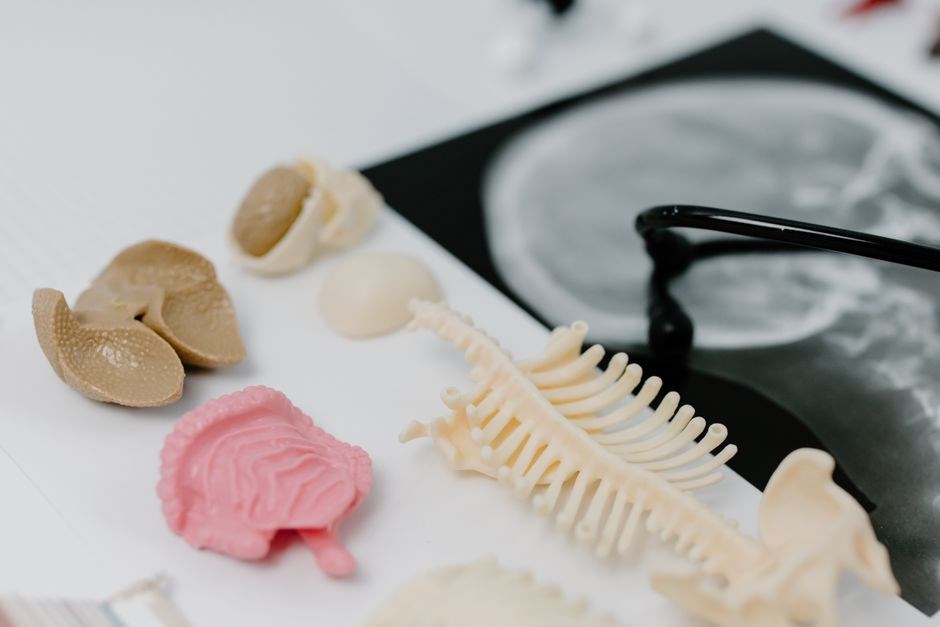
The nervous system is divided into the central nervous system (CNS) and the peripheral nervous system (PNS). The CNS, comprising the brain and spinal cord, serves as the command center, integrating sensory input, generating motor output, and coordinating complex behaviors. It is protected by the meninges—dura mater, arachnoid mater, and pia mater—along with cerebrospinal fluid that cushions and nourishes neural tissue. The PNS extends beyond the CNS and is subdivided into the somatic and autonomic divisions. The somatic nervous system mediates voluntary movements and relays sensory information from skin, muscles, and joints to the CNS, enabling conscious perception and motor control. The autonomic nervous system regulates involuntary functions such as heart rate, digestion, and respiratory rate. It is further split into sympathetic and parasympathetic branches that balance each other to maintain homeostasis. Neural pathways in the CNS include ascending sensory tracts that carry signals to the cortex and descending motor tracts that project from the cortex to the spinal cord and peripheral effectors. The spinal cord, a cylindrical bundle of gray and white matter, provides a conduit for these tracts and houses reflex centers that allow rapid, involuntary responses. The brain’s cortical areas—frontal, parietal, temporal, and occipital lobes—each specialize in functions such as cognition, language, memory, and visual processing. In the PNS, cranial nerves (I–XII) emerge from the brainstem and innervate the head and neck, while spinal nerves branch from the spinal cord to innervate the rest of the body. These nerves carry both afferent sensory fibers and efferent motor fibers, forming the basis of communication between the CNS and peripheral tissues. The autonomic ganglia—sympathetic chain and prevertebral clusters—serve as relay stations that modulate signals before they reach target organs. Understanding the distinct yet interdependent roles of the CNS and PNS is essential for comprehending how the nervous system orchestrates behavior, maintains internal stability, and responds to external stimuli. This PDF provides detailed diagrams, case studies, and interactive modules to reinforce learning of these complex systems. Students can use the annotated PDF to track key concepts and test understanding through embedded quizzes.

Neuroglial Cell Types

Neuroglial cells support neurons, maintain homeostasis form myelin. Key types include astrocytes, oligodendrocytes, microglia, ependymal cells. Astrocytes regulate neurotransmitter levels, oligodendrocytes insulate axons, microglia act as immune cells, ependymal cells line ventricles.They guard neural integrity.!?

Glial Support and Meninges

Glial cells provide structural, metabolic, and immunological support to neurons. Astrocytes maintain the blood‑brain barrier, regulate ion balance, and recycle neurotransmitters. Oligodendrocytes produce myelin sheaths in the CNS, while Schwann cells perform a similar function in the PNS. Microglia act as resident macrophages, clearing debris and modulating synaptic pruning. Ependymal cells line ventricular cavities, facilitating cerebrospinal fluid circulation.

The meninges, three protective membranes—dura mater, arachnoid mater, and pia mater—encase the brain and spinal cord. The dura is a tough fibrous layer that anchors to the skull, the arachnoid is a delicate web‑like sheet, and the pia intimately follows the brain’s surface, forming the subarachnoid space filled with CSF. These layers work in concert with glial networks to preserve neural integrity, regulate intracranial pressure, and shield against infection.

Discoveries highlight meningeal lymphatic vessels that drain interstitial fluid and immune cells from the CNS, linking brain’s immune to lymph nodes. Astrocytic endfeet anchor to the blood‑brain barrier, while perivascular macrophages sense metabolic changes and secrete cytokines to modulate neuronal excitability. These interactions underscore the dynamic crosstalk between glial elements and meningeal structures, essential for maintaining neural homeostasis and responding to injury.

Glial support and meningeal structures collaborate to safeguard neural function, adapt to metabolic demands, and orchestrate repair after injury.

Functional Localization

Brain regions specialize: motor cortex initiates movement, Broca’s area governs speech production, Wernicke’s area processes language comprehension, visual cortex decodes sight, and cerebellum fine‑tunes coordination. The spinal cord relays reflex arcs and integrates sensory input!!!

Cerebral Cortex and Brainstem

Cerebral cortex, the brain’s outer layer, is split into lobes—frontal, parietal, temporal, and occipital—each handling distinct tasks. The frontal lobe contains the primary motor cortex for voluntary movement and Broca’s area for speech. The parietal lobe processes touch, proprioception, and spatial sense. Temporal lobe structures, like the hippocampus and amygdala, manage memory and emotion. The occipital lobe holds the primary visual cortex, turning light into perception.

Below the cortex lies the brainstem, a vital bridge to the spinal cord. It includes the midbrain, pons, and medulla oblongata, each with nuclei that regulate breathing, heart rate, and blood pressure. The midbrain’s superior colliculi focus visual attention, while its inferior colliculi handle sound. The pons contains nuclei for cranial nerves V, VI, VII, and VIII, controlling facial sensation, eye movement, and hearing. The medulla houses the dorsal motor nucleus of the vagus and the nucleus ambiguus, which oversee heart rhythm and swallowing.

Together, the cortex and brainstem coordinate complex behaviors, from conscious decisions to reflexive actions, ensuring seamless sensory input, motor output, and autonomic control—foundations of nervous system operation.

PDF Resources and Accessibility

Access reliable PDFs on the nervous system, including Dr. Beda Olabu’s lecture covering anatomy, physiology, and neuroglial cells. Use open‑access journals, university repositories, and PDF annotation tools like Adobe Reader or Foxit for highlighting and notes. Available via open‑access repositories for download

Reliable Academic Sources

When compiling nervous system PDFs, prioritize peer‑reviewed journals, institutional repositories, and open‑access platforms. Key outlets include Nature Neuroscience, Journal of Neuroscience, and Frontiers in Neurology, all of which provide high‑quality PDFs with detailed figures. University libraries often host theses and dissertations; for example, MIT’s DSpace and Harvard’s DASH contain extensive neuroanatomy collections. The NIH’s PubMed Central offers free PDFs of funded research, ensuring compliance with open‑access mandates. Additionally, the download link points to a curated table of neuroglial cell types, useful for quick reference. For historical context, the Journal of Comparative Neurology archives classic studies dating back to the 19th century. When citing, use DOI links to guarantee persistent access. Finally, cross‑check each source’s licensing; Creative Commons‑licensed PDFs allow for annotation and redistribution, which is essential for collaborative study groups. By assembling materials from these vetted channels, you create a robust, legally compliant resource base for any nervous system research or coursework. Researchers often integrate multi‑modal imaging data, such as fMRI and DTI, with molecular atlases to map functional networks. Advanced PDF readers support embedded hyperlinks to supplementary datasets, enabling seamless navigation between the text and raw data. Moreover, many journals now provide interactive figures that can be zoomed, rotated, and annotated directly within the PDF, fostering deeper engagement. By leveraging these tools, students can critically evaluate experimental design, statistical robustness, and reproducibility, which are essential skills for modern neuroscience scholarship. They enable data sharing daily.?

Annotation and Highlighting Tools
Effective study of nervous system PDFs hinges on robust annotation tools that allow students to mark key concepts and embed personal notes. Popular free options include Adobe Acrobat Reader DC and Foxit Reader, both offering sticky‑note, highlight, underline, and free‑hand drawing features. For open‑source enthusiasts, Okular and Evince provide similar functionality and scriptable extensions. Cloud‑based platforms like Google Drive PDF Viewer and Microsoft Edge support real‑time collaboration, enabling multiple users to annotate the same document simultaneously. Advanced tools like Hypothesis integrate web‑based annotation with PDF viewing, allowing users to create threaded discussions and share insights across institutions. Mobile solutions—Notability on iOS and Xodo on Android—support stylus input, which is particularly useful for diagrammatic analysis of neural pathways. When working with large neuroanatomy atlases, consider PDF-XChange Editor for its ability to handle high‑resolution images without significant lag. Finally, many universities provide institutional licenses for ABBYY FineReader, which combines OCR with annotation, making scanned PDFs searchable and editable. By selecting tools that align with individual workflow preferences, learners can transform static nervous system PDFs into dynamic, interactive study aids. These tools also offer cloud synchronization, version control, secure sharing options, making them ideal for collaborative research projects.
Study Strategies with PDFs

Use spaced repetition by reviewing highlighted sections daily. Create flashcards from key terms, integrate mind maps linking neural pathways, and annotate with color codes for functions. Quiz yourself with questions, and discuss concepts in study groups to reinforce understanding and diagram!.

Interactive Learning Techniques

Leverage the PDF’s built‑in annotation tools to mark key pathways, synaptic junctions, and neurotransmitter cycles. Use color‑coded highlights—blue for sensory input, red for motor output, green for autonomic regulation. Create a visual map that reinforces functional localization. This dual‑encoding strengthens memory traces.

  • Flashcard generation: Select a highlighted term, click the “Create Card” button, and add a concise definition. Review these cards in spaced intervals using the PDF reader’s integrated spaced‑repetition scheduler.
  • Self‑testing: At the end of each chapter, answer the embedded true/false and multiple‑choice questions. The PDF will auto‑grade and provide explanations, allowing immediate feedback.
  • Peer discussion: Share annotated pages via the PDF’s collaboration feature, then discuss discrepancies in a virtual study group for critique.
  • Progress tracking: The PDF logs time spent on each section and highlights areas of repeated review, helping you identify weak spots.
  • Integrative projects: Compile a case study by linking clinical scenarios to the anatomical diagrams in the PDF, then present it to classmates for critique.

In addition, set a weekly review schedule where you revisit the most challenging sections. Use the PDF’s built‑in search to locate specific terms, then create a summary note in your own words. This active retrieval practice combats forgetting curves and consolidates long‑term retention. Finally, share your insights on a forum to test your understanding. Engage with peers for deep insight.

and Further Resources

As the journey through the nervous system PDF concludes, students should reflect on the depth of material covered—from the intricate architecture of the central nervous system to the nuanced roles of neuroglial cells. The PDF’s structured chapters, annotated diagrams, and embedded quizzes provide a scaffold that supports both passive reading and active engagement. By integrating flashcards, learners transform static info into dynamic knowledge.

For those seeking to expand their horizons, several reputable sources are recommended. NIH hosts a free repository of peer‑reviewed articles complementing the PDF. The American Association of Neurology offers case libraries. The resources include peer-reviewed journals, textbooks, and interactive modules.

The PDF’s built‑in bookmarking feature enables quick navigation to complex topics such as synaptic plasticity or autonomic regulation. For collaborative study, the cloud‑based annotation platform Hypothesis can be linked to the PDF, allowing real‑time discussion and shared insights. Users annotate PDFs with notes, enhancing learning more.

Finally, maintain a personal study log that records time spent, concepts mastered, and questions that arise. Reflective practice, combined with resources above, will solidify mastery of the nervous system and prepare you for coursework or clinical application.

veterans day word search pdf

Veterans Day word search PDFs offer engaging, printable activities that honor service members. Free resources from sites like SuperTeacherWorksheets, Crayola, and TheTeachersGuide provide themed puzzles featuring military terms, flags, and peace symbols. for kids!

Historical Context

Veterans Day, originally Armistice Day, commemorates the 1918 ceasefire ending WWI. Renamed 1954 to honor all U.S. veterans, it reflects national gratitude and remembrance, inspiring themed activities like word searches that celebrate service.Enjoy learning today now

Origin and Significance

Veterans Day traces its roots to the Armistice Day of 1919, marking the end of World War I. In 1948, the United States Congress renamed it Veterans Day to honor all military veterans, past and present. The holiday is observed on November 11, a date chosen for its symbolic connection to the 1918 armistice and the 1945 victory over Nazi Germany. Celebrations include parades, memorial services, and educational activities that emphasize patriotism, sacrifice, and the value of peace. Word search PDFs themed around Veterans Day serve as interactive tools that reinforce historical facts, honor symbols, and foster appreciation among students. By embedding military terms—such as “troop,” “valor,” “freedom,” and “service”—in puzzles, educators can create engaging lessons that combine literacy with patriotic themes. These printable resources also support inclusive learning, allowing children to explore the significance of the holiday in a hands‑on format while developing vocabulary and problem‑solving skills. In short Veterans Day’s origin and significance are tied to remembrance, gratitude, and enduring commitment to national security, and word search PDFs help bring legacy into classrooms worldwide. These PDFs also serve as valuable tools for parents and teachers to spark discussions about courage, sacrifice, and the enduring spirit of service.

Educational Benefits

Veterans Day word‑search PDFs enhance literacy, boost memory, and teach teamwork. Kids spot military terms, practice pattern recognition, and learn spelling while fostering empathy and critical thinking. It boosts teamwork reflects.

Vocabulary Development

Veterans Day word‑search PDFs are a dynamic tool for expanding children’s lexicon; By embedding terms such as AIR FORCE, ARMY, COAST GUARD, MARINES, MEMORIAL, FREEDOM, HONOR, FLAG, FLOWERS, HOLIDAY, and MILITARY, students encounter authentic, context‑rich vocabulary. The repetitive nature of searching reinforces spelling accuracy and phonemic awareness. When learners identify ARMY or FREEDOM within a grid, they associate the word with its meaning, strengthening semantic memory. Teachers can extend learning by pairing the puzzle with brief biographies of veterans, prompting students to use new words in sentences. This practice nurtures both receptive and expressive language skills, while also cultivating respect for the nation’s service members. The activity’s low‑cost, printable format makes it accessible for diverse classrooms, and the clear layout supports visual learners. Overall, Veterans Day word‑search PDFs transform passive remembrance into an active, vocabulary‑rich educational experience. Additionally, the inclusion of synonyms like VALOR and DEDICATION introduces advanced vocabulary, encouraging students to explore word families. By highlighting these terms, the puzzle promotes morphological analysis, as learners notice the root “-ion” in DEDICATION and MEMORIAL. The exercise also supports reading fluency; students scan the grid rapidly, mirroring the speed required in academic reading. Furthermore, the visual arrangement of words—horizontal, vertical, diagonal—demands spatial reasoning, which indirectly supports vocabulary retention. Teachers can assess progress by noting which words students find most challenging, guiding targeted instruction. In sum, Veterans Day word‑search PDFs provide a multifaceted platform for vocabulary enrichment, bridging historical appreciation with linguistic growth. For instance, a 15×15 grid containing offers a balanced difficulty level for middle‑school learners. The puzzle’s design encourages students to use context clues; when they see the word ARMY adjacent to HONOR, they infer a thematic link, reinforcing semantic networks. This contextual learning aligns with research showing that vocabulary gains are higher when words are taught in meaningful contexts rather than isolated drills. By integrating these PDFs into lesson plans, educators can meet state standards for language arts while celebrating national heritage. Thus, Veterans Day word‑search PDFs serve as an engaging, curriculum‑aligned resource that simultaneously honors veterans and cultivates robust language skills. Students can also create their own word lists, fostering ownership of learning and encouraging creative thinking. This engaging format not only reinforces vocabulary but also encourages collaborative problem‑solving, making learning both fun and meaningful for all learners.

Cognitive Skills

Veterans Day word‑search PDFs sharpen a spectrum of cognitive abilities. The act of scanning a dense grid trains visual attention, forcing learners to distinguish target letters from distractors. This heightened focus boosts selective attention, a skill transferable to reading comprehension and classroom participation. Spatial reasoning emerges as students trace words diagonally, vertically, or horizontally, mapping letter positions in a two‑dimensional space. Such mapping reinforces mental rotation and spatial memory, which research links to STEM proficiency. Pattern recognition is also cultivated; spotting repeated letter clusters or common prefixes (e.g., “ARM‑” in ARMY, ARMISTICE) encourages analytical thinking. Working memory is taxed when students hold a word in mind while searching, improving their ability to juggle multiple pieces of information. Problem‑solving strategies surface as learners decide whether to search left‑to‑right or top‑to‑bottom, optimizing search paths and reducing cognitive load. Metacognition is fostered when students reflect on their search strategies, noting which approaches yield faster results. This self‑monitoring aligns with metacognitive frameworks that predict academic success. Overall, Veterans Day word‑search PDFs serve as a tool that honors service members and builds cognitive skills daily lifelong learning!

Sources and Availability

Veterans Day word‑search PDFs are freely downloadable from educational sites such as SuperTeacherWorksheets, Crayola, and TheTeachersGuide. Commercial options exist on platforms like Teachers Pay Teachers, offering premium grids and printable PDFs. Enjoy learning!

Free Printable Sites

Free printable Veterans Day word‑search PDFs are available on several educational websites. SuperTeacherWorksheets offers a collection of themed puzzles that include military vocabulary, patriotic symbols, and commemorative phrases. The PDFs are downloadable in PDF format and can be printed directly from the browser. Crayola’s online resource provides a set of colorful word‑search sheets that incorporate holiday icons such as flags, medals, and flowers, making the activity visually engaging for younger learners. TheTeachersGuide hosts a variety of free worksheets, including a Veterans Day word‑search that highlights terms like “ARMY,” “MARINES,” “COAST GUARD,” and “FREEDOM.” Each site provides a straightforward download link, often accompanied by a brief description of the puzzle’s difficulty level and suggested age range. Users can access these materials without creating an account, ensuring quick and hassle‑free distribution in classrooms or at home. Additional free resources can be found on sites such as Education.com, which hosts a variety of printable word‑searches for holidays, and Pinterest, where educators share custom PDFs. Many of these platforms allow users to download, print, or even embed the puzzles in digital lesson plans. The PDFs are typically lightweight, ensuring fast loading times and easy distribution across devices. All free now!!

Commercial Resources

Commercial vendors offer premium Veterans Day word‑search PDFs that come with enhanced graphics, customizable themes, and teacher‑grade annotations. Companies such as Teachers Pay Teachers and Education.com sell packs that include multiple difficulty levels, printable worksheets, and downloadable PDFs. These resources often feature high‑resolution images of flags, medals, and military insignia, and are licensed for classroom use; The price points vary from $5 to $25 per pack, depending on the number of puzzles and the level of customization. Some vendors provide editable templates in Word or Google Docs, allowing educators to insert their own vocabulary lists or modify grid sizes. Others supply ready‑made PDFs printable on standard paper. Licensing agreements typically grant non‑exclusive, perpetual use for educational purposes, while requiring attribution or a purchase license for resale. Commercial products also include teacher guides, answer keys, and suggested activities that extend the word‑search into discussion or writing assignments. For schools with budget constraints, many vendors offer discounted bulk rates or free trial periods. Overall, commercial resources provide a polished, ready‑use solution for educators seeking a professional, quality Veterans Day activity that aligns with curriculum standards and promotes student engagement.

Design and Customization

Veterans Day word‑search PDFs let teachers tailor grids, word lists, and difficulty. Themes feature flags, medals, and service branches, while grid sizes adjust for all ages. PDFs support color coding and printable layouts. Enjoy!!

Word Selection and Themes

Creating a Veterans Day word search PDF begins with selecting words that reflect the day’s spirit and educational goals. Teachers often compile lists that include military branches (Army, Navy, Air Force, Marine Corps, Coast Guard), symbols of honor (Medal, Valor, Freedom, Sacrifice), and patriotic imagery (Flag, Liberty, Peace, Tribute). The word bank should balance difficulty: short, common terms for younger students and longer, less familiar words for advanced learners. Many free resources—such as SuperTeacherWorksheets, Crayola, and TheTeachersGuide—offer ready‑made lists that can be copied or adapted. Customization is encouraged: educators can add local heroes, state‑specific references, or personal anecdotes to make the puzzle more relevant. Themes can also be broadened to include historical milestones (Armistice, Memorial Day, Veterans Day), notable figures (Patton, Eisenhower, Oppenheimer), or emotional concepts (Gratitude, Respect, Service). When designing the grid, consider the word placement: diagonal, backward, and overlapping placements increase challenge while keeping the puzzle solvable. Finally, test the puzzle to ensure all words are present and that the solution key matches the grid. This meticulous approach guarantees an engaging, respectful, and educational activity for all ages. Enjoy! 🙂

Grid Layout and Difficulty

Designing a Veterans Day word‑search PDF involves careful grid planning to match the intended age group and learning objectives. A 15×15 square is common for middle‑school students; younger learners may prefer 10×10, while advanced classes can tackle 20×20 grids. Word placement should mix horizontal, vertical, diagonal, and reverse orientations to increase challenge without sacrificing solvability. Overlap words strategically—sharing letters reduces grid size and encourages pattern recognition. When selecting difficulty, consider the length of words: short 3‑letter terms for beginners, and longer 7‑letter or more for seniors. Test the puzzle by solving it yourself or having a colleague verify that every word appears exactly once and that the solution key matches the grid. Adjust spacing and letter density to avoid accidental clues. Finally, export the finished grid to PDF, ensuring that the font is legible and that the puzzle can be printed on standard 8.5×11 paper. This balanced approach delivers an engaging, respectful activity that honors veterans while sharpening students’ cognitive skills. Educators may add a brief reflection prompt, asking students why veterans deserve recognition. A short answer section at the bottom of the PDF encourages deeper engagement. For digital use, choose high‑contrast colors and a clear font like Arial. When printing, matte paper reduces glare. Compress the PDF to keep file size small while preserving quality. These tips keep the activity respectful and accessible.—thanks!

Legal Considerations

Copyright rules govern Veterans Day word‑search PDFs. Use royalty‑free or licensed words and images. Provide attribution if required. Avoid copyrighted logos unless permission is granted. Check fair‑use limits for classroom use!!

Copyright and Usage Rights

Copyright laws protect the original creators of word‑search puzzles, including the specific word lists, grid designs, and any accompanying illustrations. When distributing a Veterans Day word‑search PDF, you must ensure that all elements are either in the public domain, licensed under a permissive Creative Commons license, or created by you. Using copyrighted text or images without permission can lead to infringement claims; For classroom use, many educators rely on the fair‑use doctrine, which considers purpose, nature, amount, and effect on the market. However, fair use is a defense, not a right, and its application varies by jurisdiction. To stay compliant, obtain explicit permission from the copyright holder, or use resources that explicitly state they are royalty‑free. When you adapt a puzzle from a commercial source, check the license terms: some allow non‑commercial use only, while others require attribution or prohibit redistribution. Always keep documentation of licenses or permissions, as this evidence can be crucial if a dispute arises. Finally, if you plan to sell or publicly display the PDF, you must secure a commercial license or create all content yourself. Public domain works are free to use without restriction. To confirm public domain status, check the publication date and the creator’s death da

Additional info. More!Ok.

Distribution and Accessibility

Veterans Day word‑search PDFs can be shared online, emailed, or printed. Use PDF tags, high‑contrast colors, and alt text for screen readers. Keep file size low for mobile download. Offer downloadable links on school sites. Ensure PDFs are tagged for accesibility

PDF Format Features

Veterans Day word‑search PDFs combine educational value with practical design. They are typically created in Adobe Acrobat or free editors, producing searchable text that lets users copy words for study. The grid is embedded as a vector image, ensuring crisp lines at any zoom level. Interactive checkboxes can be added for teachers to mark completed words, while hidden layers allow optional hints. Accessibility is enhanced by tagging each word and clue, enabling screen readers to navigate the puzzle. Color‑blind friendly palettes are often used, with high contrast between letters and background. The file size is optimized for quick download, and metadata includes keywords like “Veterans Day,” “military,” and “education.” Finally, PDFs can be password‑protected for classroom use, ensuring only authorized users access the content.

Embedded hyperlinks to related resources, bookmark navigation, and page numbering enhance usability. The PDF can be optimized for printing with bleed marks and color profiles. Teachers can embed a solution sheet on a hidden layer, allowing instant feedback. The file supports digital signatures for authenticity and can be encrypted for secure distribution;

A QR code links to an online solution guide and a reference summary of key terms. This layered design supports learning styles, keeping the activity engaging.

Accessibility Tips

Veterans Day word‑search PDFs can be made fully accessible by following a few key steps. First, ensure the PDF is tagged so that screen readers interpret the grid as a table, not a flat image. Each cell should contain a single letter and a descriptive alt attribute that explains its position. Second, use high‑contrast colors (black letters on a white background) and avoid color‑only cues; add a bold border around the grid to aid users with low vision. Third, provide a printable solution sheet on a separate page, linked via a bookmark, so that users can verify answers without navigating the puzzle. Fourth, enable keyboard navigation by setting the tab order to move through rows, then columns, allowing users to type letters or skip to clues. Fifth, offer a zoom‑in feature or a separate, larger‑font version of the puzzle for those who need magnification. Finally, embed a brief audio description of the puzzle layout and clues, which can be accessed through the PDF’s media annotations. These practices ensure that veterans, educators, and students of all abilities can enjoy the activity. Teachers can also export the puzzle to a web‑basedinteractive format,allowing students to drag and drop letters, which further enhances engagement for learners with motor skill challenges. All materials are free to download Thanks!!! :)!